Plant Life Care Mistakes to Avoid for Healthy Growth
Plants don’t text back, but they run the planet’s biggest life-support system. They feed us, clothe us, calm us, and quietly hack sunlight into sugar like it’s no big deal. You breathe because they exhale.
Want to understand the green machinery that keeps everything humming? Pull up a leaf—let’s talk plant life.
The Secret Engine: Photosynthesis, Explained Without a Headache
Plants take sunlight, water, and carbon dioxide and turn them into sugar and oxygen. That’s photosynthesis, and yes, it’s witchcraft—but science-flavored.
Think of leaves as solar panels with tiny chemical factories inside. Here’s the quick breakdown:
- Sunlight hits chlorophyll in leaf cells.
- Plants split water and grab hydrogen.
- They combine hydrogen with carbon dioxide to make glucose (plant fuel).
- They release oxygen as a bonus gift to literally all aerobic life.
Why You Should Care (Beyond Breathing)
Photosynthesis locks away carbon and fights climate change. It also builds the base of the food web. No plants = no snacks.
Tragic, right?
Rooted but Not Boring: How Plants Move Without Moving
Plants can’t walk away from drama, so they outsmart their environment instead. They sense light, gravity, touch, moisture, and even chemicals from other plants. They don’t have a brain, but they coordinate responses like bosses. Cool plant moves:
- Phototropism: Shoots lean toward light like sun-chasing teenagers.
- Gravitropism: Roots go down; stems go up.Always.
- Thigmotropism: Vines wrap around supports. Touch triggers growth changes.
- Hydrotropism: Roots sniff out water and grow toward it. Survival 101.
Plant Signals: The Gossip Network
When pests attack, plants send chemical alerts through air and soil. They warn neighbors and even call in reinforcements—like wasps—to take out the attackers.
IMO, that’s basically plant social media, minus the drama.
The Many Lives of Leaves, Stems, and Roots
Let’s read the blueprints. Different plant parts handle different jobs, and they each come with clever variations.
- Leaves: Thin for sunlight capture, dotted with stomata for gas exchange. Succulents use thick leaves to store water like little green camels.
- Stems: Highways for water and nutrients.Some store starch (hello, potatoes), others stand tall to flex at the sky (looking at you, sunflowers).
- Roots: Anchor the plant, slurp up water and minerals. Taproots dig deep (carrots), while fibrous roots spread wide (grasses).
Weird But Wonderful Mods
- Spines: Cacti swapped leaves for spines to reduce water loss and discourage snackers. Respect.
- Tendrils: Peas use them to climb and reach more light without bulking up on stem.
- Bulbs and Tubers: Onions and potatoes stash energy underground for future growth or apocalyptic winters.
Survival Mode: How Plants Beat Bad Weather, Bad Soil, and Bad Vibes
Not all plants relax in perfect garden beds.
Many grind through extreme environments like champs. Desert pros:
- Store water in tissues (succulents).
- Open stomata at night (CAM photosynthesis) to reduce water loss.
- Grow small, waxy leaves and thick cuticles to keep moisture in.
Cold-climate tacticians:
- Drop leaves to avoid freezing damage.
- Load cells with antifreeze-like sugars.
- Grow low and slow, then sprint in short summers.
Poor-soil hustlers:
- Form symbioses with fungi (mycorrhizae) to access extra nutrients.
- Fix nitrogen with bacteria (legumes = soil MVPs).
- Eat bugs for protein (pitcher plants and sundews say hi).
The Quiet Economy: How Plants Pay the World’s Bills
You can’t talk plant life without talking value. Plants stack receipts everywhere.
- Food and fiber: Wheat, rice, corn feed billions; cotton and flax dress us; bamboo builds houses and cutting boards because we like nice things.
- Medicine: Aspirin came from willow; paclitaxel from yew treats cancer; FYI, a scary number of drugs start as plant molecules.
- Ecosystem services: Plants filter water, stabilize soil, cool cities, and shelter wildlife. You can’t buy that at the mall.
- Carbon sink: Forests and wetlands store massive amounts of carbon and buffer climate extremes.Don’t clear them. Like, ever.
Urban Green = Human Green
More trees means cooler neighborhoods, cleaner air, and calmer minds. Office plants boost mood and focus.
Is that placebo? Maybe. Do I care?
Not really—if a pothos makes your day 5% better, that’s a win.
Plant Parenthood: Seed Drama and Reproduction Tricks
Plants get creative with reproduction. Some clone themselves, others hold elaborate pollination parties complete with nectar bribes and flashy petals. Pollination strategies:
- Wind-pollinated: Grasses toss pollen like confetti. Allergy season explains the rest.
- Animal-pollinated: Bees, bats, birds, beetles—each loves certain nectar and colors.
- Selfing vs.Outcrossing:
Some plants self-pollinate (insurance policy); others block it to keep genes fresh.
Seed dispersal stunts:
- Fruit bribes: Animals eat fruit and drop seeds elsewhere. Free fertilizer included.
- Parachutes and wings: Dandelions and maples ride the wind like tiny skydivers.
- Exploders: Touch-me-nots fling seeds when ripe. Nature loves drama.
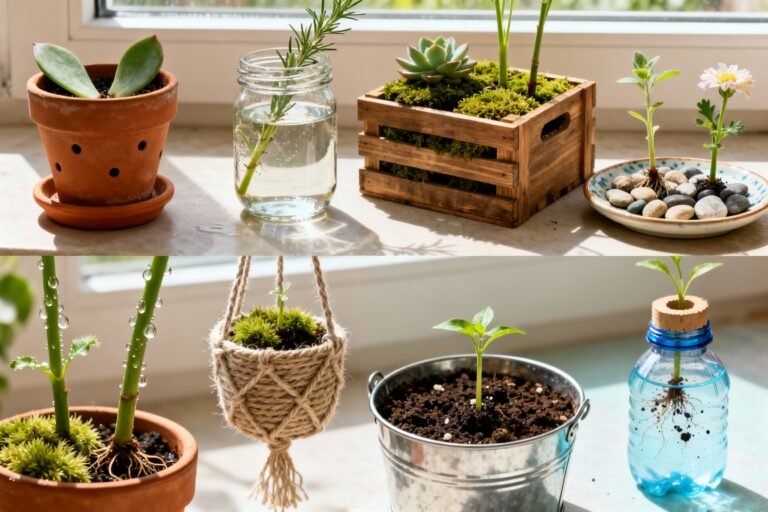
Clones, Cuttings, and Plant DIY
Many plants reproduce without sex.
Strawberries throw runners. Willows root from twigs. Gardeners use cuttings, layering, and grafting to copy favorites.
IMO, cloning your best tomato is both practical and slightly mad scientist.
Plant Communication: It’s Complicated (and Kinda Cool)
Plants use chemicals to talk to fungi, bacteria, insects, and each other. They send sugars to soil partners and get nutrients back. They change scents when bitten.
Some even prime their defenses after hearing the chewing sounds of caterpillars. Yes, sound matters, and no, your ficus doesn’t enjoy death metal. Probably. FYI: This isn’t consciousness.
It’s complex signaling. But the results look smart enough to make you side-eye your salad.
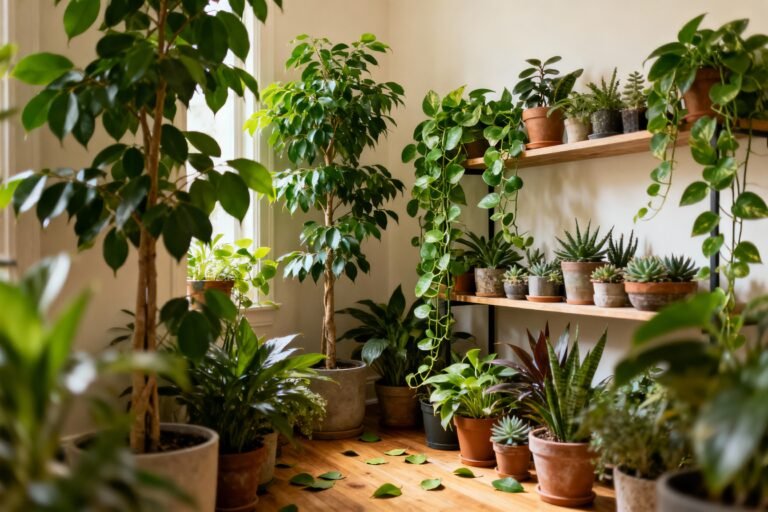
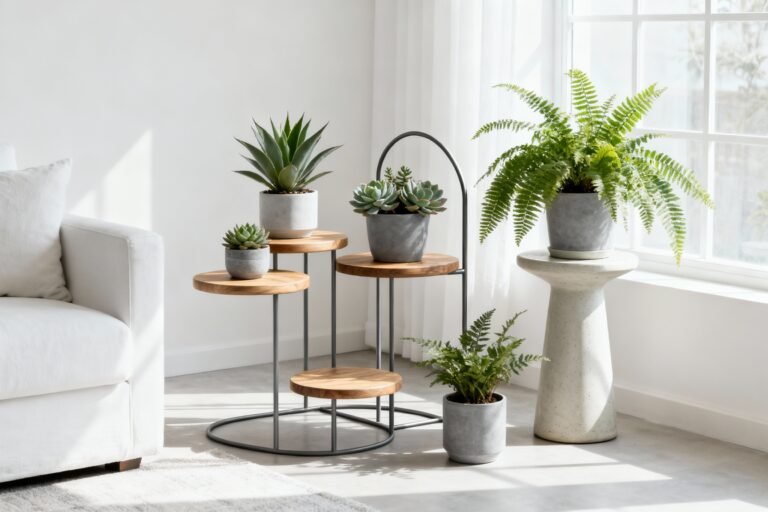
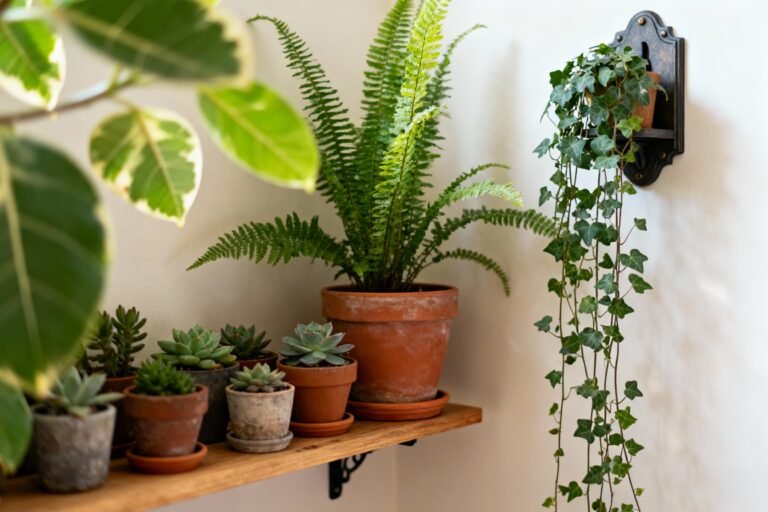
Houseplant Edition: Keeping Green Things Alive
If your plants keep ghosting you, simplify your routine.
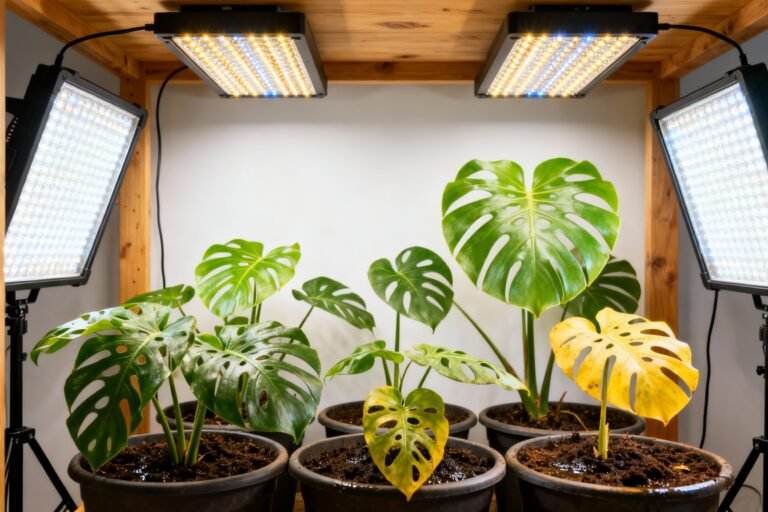
- Light first: Most indoor plants want bright, indirect light. Direct sun fries leaves; dark corners doom them.
- Water second: Check soil with a finger.Water when the top inch feels dry. Overwatering kills more plants than neglect.
- Soil and pot: Use well-draining mix and a pot with a drainage hole. Non-negotiable.
- Humidity help: Group plants or use a tray with pebbles and water.Tropical plants prefer spa days.
FAQ
Do plants sleep?
Sort of. Plants follow circadian rhythms. They open and close stomata, shift leaf angles, and adjust chemistry based on day-night cycles.
No pajamas required.
Can plants feel pain?
They don’t have nerves or brains, so not pain like animals. They do sense damage and respond with hormones and defensive chemicals. Think “alarm system,” not “ouch.”
Why do some leaves turn yellow?
Usually water or light issues.
Overwatering starves roots of oxygen; low light slows photosynthesis. Nutrient deficiencies can also cause chlorosis. Adjust care before panicking.
What’s the easiest plant for beginners?
Try pothos, snake plant, or ZZ plant.
They tolerate low light, forgive late watering, and still look like you know what you’re doing. Low drama, high payoff.
Are native plants really better for gardens?
Often, yes. Native plants support local pollinators, handle your climate, and usually need less water and fertilizer.
Plus, they keep ecosystems stitched together.
How do trees communicate with fungi?
Roots connect with mycorrhizal fungi that trade nutrients for sugars. These networks move resources and chemical signals between plants. People call it the “wood-wide web” for a reason.
Wrapping It Up (Leaf It Here)
Plants power life, shape climates, and make our spaces feel like less of a concrete headache.
They master chemistry, negotiate with insects, and engineer ecosystems—all while standing still. If that’s not impressive, I don’t know what is. Go water a plant, plant a seed, or at least thank a tree on your next walk.
It’s doing more for you than you realize.