Top Plant Shop Ideas: How to Choose the Best Plants for Your Home
You walk into a plant shop for “just one pothos,” and boom—two hours later you’re googling if your apartment can handle a fig tree the size of a small car. Plant shops do that to you. They smell like soil and possibility, and they make you believe your home could totally be a jungle.
Spoiler: it can. Let’s talk about how to get the most out of your local plant shop—without accidentally adopting a drama-queen fiddle-leaf you’re not ready for.
Why Plant Shops Feel Like Mini Vacations
Plant shops calm your brain instantly. You step inside and everything slows down—like your inbox can’t find you among the philodendrons.
That’s not magic; that’s plants doing their thing. Plants create micro-moments of wellness. You breathe better, your eyes relax, and your space looks like you finally have your life together. Plus, plants make your home feel alive—literally.
Who doesn’t want a living sculpture that grows with you?
Choosing the Right Shop (Because Not All Are Equal)
You’ve got options: big-box stores, boutique plant studios, weekend markets, and online shops. Each has a vibe and a price tag to match.
- Boutique shops: Expert advice, curated plants, gorgeous pots. Prices run higher, but care guidance often saves you money in the long run.
- Big-box stores: Cheap and cheerful.
Quality varies, and staff might not know your pothos from your philodendron.
- Local markets: Unique finds and small-grower gems. Bring cash and look closely for pests (more on that in a sec).
- Online shops: Convenient, wide selection. Shipping can stress plants, so unbox and hydrate ASAP.
Red Flags vs.
Green Flags
- Green flags: Labeled plants, clear care tips, clean leaves, moist (not soggy) soil, and staff who ask about your light levels at home.
- Red flags: Sticky residue, webbing, yellowing leaves on every plant, mystery soil smells, and unlabeled species.
Know Thy Light (Before You Adopt)
Most plant heartbreak starts with light. You don’t need a compass—just notice how your space behaves.
- Bright indirect light: Near big windows without direct blast. Philodendrons, monsteras, and hoyas thrive.
- Low light: Hallways, north-facing rooms.
ZZ plants, sansevieria, and pothos say, “We got this.”
- Direct sun: South/west windows. Cacti, succulents, and some herbs bask. Many tropicals will fry—ask before you buy.
Quick Light Hack
Stand where your plant will live.
Hold your hand between the light and the wall. Crisp shadow = strong light. Blurry shadow = medium.
No shadow = low. Very scientific? No.
Helpful? Absolutely.
Plant Personalities: Find Your Match
Every plant has a vibe. You should pick one that matches yours.
You love attention? Get a diva. You forget birthdays?
Get a survivor.
- Set-and-forget champs: ZZ plant, snake plant, pothos, cast-iron plant. Great for beginners and chronic overthinkers.
- Drama with rewards: Fiddle-leaf fig, calathea, maidenhair fern. You’ll get incredible foliage, but they demand respect.
- Statement makers: Monstera deliciosa, bird of paradise, rubber tree.
Big leaves, bigger presence.
- Small-space wins: Peperomia, pilea, hoya, string of hearts. Cute, compact, Instagrammable (I said what I said).
Pet-Friendly Picks
If your cat treats plants like salad, choose wisely. Calathea, maranta, peperomia, pilea are typically safer options. Always double-check toxicity lists, FYI.
Shop Like a Pro: What to Check Before You Buy
Don’t let glossy leaves fool you.
Do a quick inspection so you don’t bring home roommates you didn’t invite.
- Look under leaves: Check for webbing, little dots, or sticky residue. That’s likely pests.
- Squeeze the pot: If roots spiral tightly or poke out the bottom, the plant’s root-bound. Not a dealbreaker, but you’ll repot soon.
- Check soil: Slightly moist is good.
Soggy means trouble. Bone dry might mean stress.
- Assess new growth: Fresh leaves = plant’s happy and actively growing.
- Ask questions: “Where was it grown? How often do you water here?
What light does it prefer?” Good shops love these.
Care Basics (No Botany Degree Required)
You don’t need to overcomplicate this. Plants want consistency and the right environment.
- Watering: Stick your finger 1-2 inches into the soil. Dry?
Water thoroughly until it drains. Wet? Wait.
IMO, moisture meters help if you love gadgets.
- Light: Place according to need. Rotate every few weeks for even growth. Plants lean like they’re seeking gossip.
- Humidity: Tropical plants love 50-60%.
Group them, use a pebble tray, or run a small humidifier. Misting? Nice, but mostly for you.
- Fertilizer: During spring and summer, feed monthly with a balanced liquid fertilizer at half strength.
Pause in winter.
- Repotting: Upgrade 1-2 inches in diameter when roots circle or growth stalls. Use the right mix—cacti want gritty, aroids want chunky.
Soil Mix Simplified
- Aroids (monstera, philodendron): 50% potting soil, 25% perlite, 25% orchid bark.
- Succulents/cacti: 60% cactus mix, 20% perlite or pumice, 20% coarse sand.
- Ferns: Rich, moisture-retentive mix with some perlite for airflow.
Make the Shop Your Plant Coach
Use the staff. They know what just arrived, what hates your window, and which plant will outgrow your coffee table by Tuesday.
Bring a photo of your space. Ask for care cards. Many shops host classes on propagation, repotting, or pest control.
Take one. You’ll save money and, frankly, some heartbreak.
Pest Prevention 101
- Quarantine new plants for 1-2 weeks away from your collection.
- Wipe leaves with a damp cloth to remove dust and potential hitchhikers.
- Spot-treat early with insecticidal soap or neem oil if you see pests. Repeat weekly until clear.
Styling Your Space (Without Overcrowding Your Windowsill)
Plants double as decor and mood-lifters.
Think of height, texture, and color contrast.
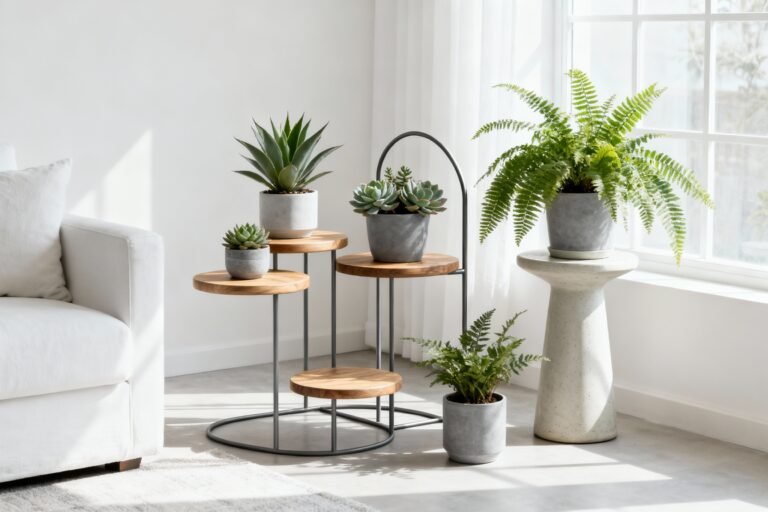
- Vary heights: Floor plants + mid-size on stands + trailing hanging plants = visual balance.
- Cluster in odd numbers: Groups of three or five look natural and intentional.
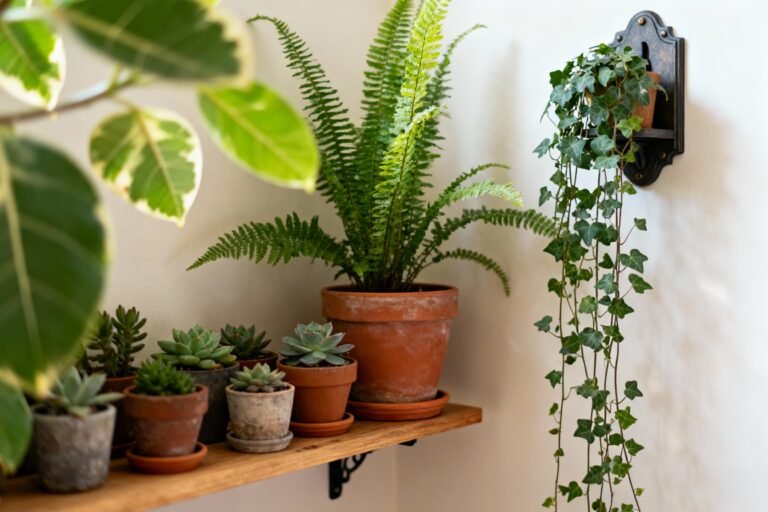
- Match pots to your vibe: Terracotta breathes and keeps roots happy; ceramic looks polished; baskets add warmth.
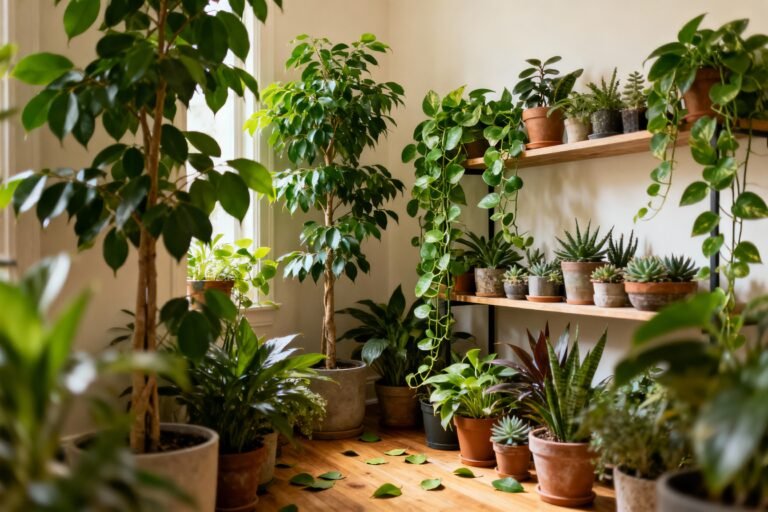
- Use shelves and shower rods: Create vertical gardens and save floor space. Bonus: trailing plants soften hard edges.
Plants That Love Bathrooms
Low light + high humidity? Sounds like a spa.
Try ferns, philodendrons, pothos, spider plants. They’ll thrive and judge you less than mirrors do.
FAQ
How often should I water my plants?
There’s no universal schedule. Check the top inch or two of soil.
If it feels dry, water thoroughly until excess drains. If it feels damp, wait a few days. Season, light, and pot type all matter—terracotta dries faster, FYI.
Why are my plant’s leaves turning yellow?
Usually overwatering or low light.
Check drainage and let the soil dry more between waterings. If older leaves yellow while new growth looks good, that’s normal shedding. If many leaves yellow fast, reassess watering and light immediately.
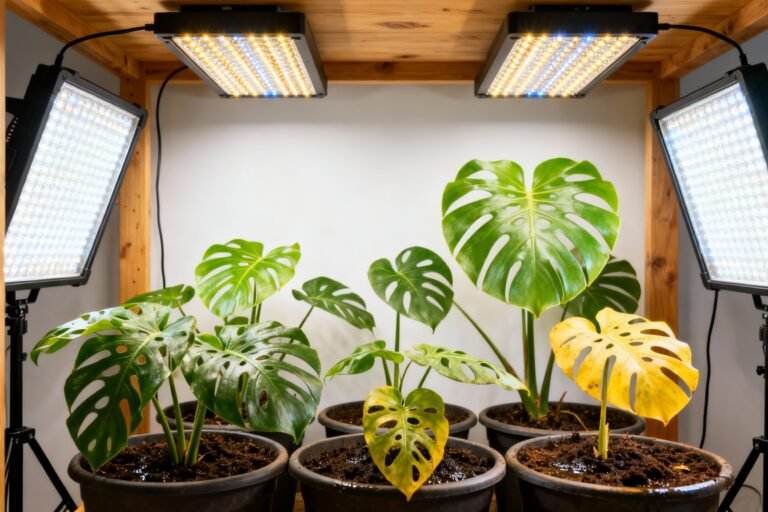
Do I need grow lights?
If your space feels gloomy or you want lush growth in winter, yes.
Choose full-spectrum LED grow lights and run them 10-12 hours daily. Put them 12-24 inches above plants. IMO, lights are game-changers for north-facing homes.
What’s the easiest plant for beginners?
You can’t go wrong with pothos, snake plant, or ZZ plant.
They forgive your learning curve and bounce back from missed waterings. Start there, gain confidence, then level up to bigger divas.
How do I deal with fungus gnats?
Let the top couple inches of soil dry out between waterings, add a layer of sand or diatomaceous earth, and use yellow sticky traps. For stubborn cases, water with a diluted BTi solution to target larvae.
They’re annoying, not catastrophic.
When should I repot my plant?
Repot when roots circle the pot, growth stalls, or water runs straight through. Spring is ideal. Go one pot size up and refresh the soil.
Don’t jump to a huge pot; oversized containers hold extra moisture and can cause root rot.
Conclusion
Plant shops offer more than leafy décor—they offer tiny ecosystems you can bring home. Pick the right shop, match plants to your light and lifestyle, and use the staff like your personal plant hotline. Start simple, learn fast, and have fun with it.
Before long, you’ll walk in for a pothos and leave with a cart of green roommates… and zero regrets.