12 Common Pollinator Problems In Urban Gardens & Fixes
You want bees, butterflies, and bonus points from Mother Nature—but your urban garden keeps ghosting pollinators. Not cool. The good news: most problems have simple fixes you can do this weekend.
Let’s diagnose the 12 most common pollinator problems in city gardens and patch them up fast, without needing a degree in entomology or a truckload of compost.
Color, Shape, and Bloom Time: Are You Serving the Right Menu?
Pollinators don’t all like the same flowers. Some want open, daisy-like blooms; others need tubular flowers for their long tongues. If your garden looks lush but no one visits, you might offer a boring menu. Fixes:
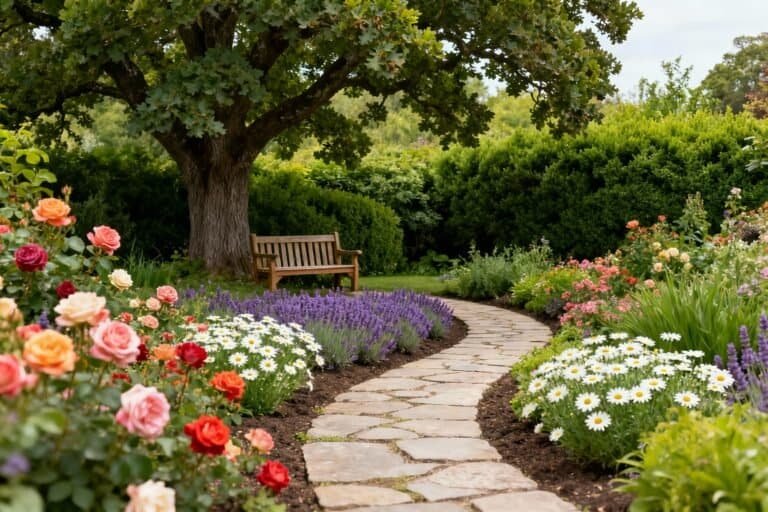
- Mix flower shapes: Include open centers (cosmos, daisies), bells/tubes (salvia, penstemon), and clusters (yarrow, verbena).
- Stagger bloom times: Add early spring bloomers (snowdrops, hellebores), summer workhorses (zinnias, lavender), and fall fuel (asters, goldenrod).
- Plant in clumps: Group 3–5 of the same species so bees don’t play Where’s Waldo.
Pro-tip: Go Native (Mostly)
Native plants evolved with local pollinators.
They usually deliver better nectar and pollen. FYI, you don’t need a purist garden—aim for a 60–80% native core and mix in reliable non-invasive favorites.
Pesticides: The Silent Party Crashers
That “safe for gardens” spray? It might still hurt bees, butterflies, and hoverflies.
Systemic insecticides linger in the plant’s tissues and can mess with bee navigation. Not the vibe. Fixes:
- Skip systemic insecticides like neonicotinoids. Check labels for imidacloprid, clothianidin, or thiamethoxam.
- Spot-treat with soapy water or hand-pick pests.
Low effort, big win.
- Spray (if you must) at dusk when pollinators clock out, and avoid open blooms.
- Grow plant allies like dill, alyssum, and fennel to attract predatory insects.
Zero Water Stops: Pollinators Need Drinks
Bees don’t sip cappuccinos, but they still need water. City heat dries everything out fast, and a tiny water bar can make your space a pollinator hotspot. Fixes:
- Bee bath: Shallow dish + pebbles or marbles + fresh water. Keep it low and sunny.
- Mud patch: Butterflies and mason bees love a damp, muddy corner for minerals and nesting.
- Refill often: Stagnant water = mosquito rave.
Change every 2–3 days.
Too Tidy? You Might Be Evicting Your Best Workers
Urban gardeners love clean lines, but many pollinators nest in messy spots. Hollow stems, leaf litter, and bare patches look “untidy,” but they act like free apartments. Fixes:
- Leave some stems 8–12 inches tall after blooms fade.
Solitary bees love them.
- Save some leaves under shrubs. Butterflies overwinter there—don’t toss their nurseries.
- Keep a bare patch of soil for ground-nesting bees. Not all bees do hives—IMO, the introverts of the bee world.
Nesting Boxes: Helpful, But Not the Whole Story
Bee hotels can work if you clean them.
If you don’t, parasites move in faster than you can say “AirBee&Bee.” Use paper liners and replace yearly.
Wrong Plant Choices (Or Not Enough of Them)
Doubles and frilly cultivars look fancy but hide nectar and pollen. Some sterile hybrids offer zero food. Your garden might be the floral equivalent of plastic fruit. Fixes:
- Choose single blooms over doubles.
If you can see the center, pollinators can, too.
- Check for pollen/nectar ratings from local extension services or reputable plant lists.
- Top urban MVPs:
- Spring: crocus, native violets, willow, serviceberry
- Summer: lavender, catmint, sunflowers, coneflower, basil (let it flower!)
- Fall: asters, goldenrod, sedum, Mexican sunflower (Tithonia)
No Habitat Layers = No Crowd
If your garden is all one height, you miss out on different species. Pollinators use vertical layers like a tiny airport—ground covers, mid-height perennials, and shrubs all matter. Fixes:
- Build layers: Ground covers (thyme, clover), mids (salvia, rudbeckia), and woody shrubs (blueberry, spicebush).
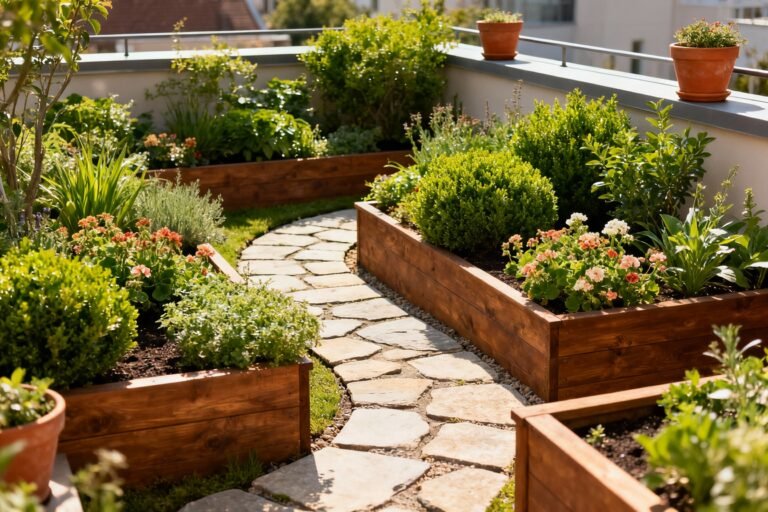
- Use containers to add height on balconies and patios.
- Think edges: Window boxes and railing planters act like landing strips.
Bloom Gaps: The Dreaded Food Desert
Everything explodes in June, then nothing. Pollinators can’t schedule vacations around your bloom gap. Fixes:
- Audit your calendar: Track bloom time from March to November.
Fill holes with early bulbs and late asters.
- Succession sow annuals like cosmos, zinnias, and calendula every 3–4 weeks.
- Let herbs bolt intentionally—cilantro, thyme, and oregano feed tons of small pollinators.
Shade vs. Sun: Plant Accordingly
Most nectar machines need 6+ hours of sun. In shade, pick options like hellebores, violets, pulmonaria, and native hydrangea.
You can’t hack physics—give sun lovers the sunny spot.
Heavy Mulch Everywhere (Great for You, Bad for Ground Nesters)
A thick mulch layer looks tidy and saves water, but it blocks ground-nesting bees. They need access to bare, well-drained soil. Fixes:
- Pull back mulch in small zones (2–3 feet wide) to create open soil patches.
- Use gravel in a few sunny areas—some bees prefer it.
- Water lightly so the soil stays workable but not soggy.
Air Pollution, Heat, and Wind Tunnels
Urban air messes with scent trails, and heat islands cook flowers dry. Balconies also funnel wind like a DIY tornado. Fixes:
- Plant scent-strong species like lavender, mint family plants, and sweet alyssum to cut through pollution.
- Windbreaks: Use trellises, shrubs, or tall grasses to slow gusts.
- Mulch smart: Moisture-holding compost and drip irrigation help blooms actually produce nectar.
Glassy, Reflective, or Inaccessible Spaces
Butterflies slam into windows, and bees struggle to find routes to rooftop gardens hidden in concrete jungles.
Let’s reduce the frustration. Fixes:
- Break up reflections with decals or exterior screens on big windows near flowers.
- Create “corridors” with planters along stairs, rails, or ledges. Think breadcrumb trail, but floral.
- Use bright mass plantings to create visible targets from a distance.
Overcrowding and Poor Soil = Weak Blooms
Stressed plants make less nectar. If your planters feel like a subway at rush hour, your pollinators get slim pickings. Fixes:
- Thin and divide perennials every few years to keep them vigorous.
- Feed the soil with compost twice a year.
Skip high-nitrogen synthetic fertilizers that juice leaves, not flowers.
- Water deep and less often to encourage strong roots and better bloom quality.
Container Strategy 101
Use large containers with drainage, a peat-free mix, and slow-release organic fertilizer. Add a top-dressing of compost midseason. Easy wins.
Nightlife Neglect: Moths And Bats Exist Too
We obsess over bees and forget the night shift.
Moths pollinate tons of natives and ornamental favorites while you sleep. Fixes:
- Plant night-friendly blooms like evening primrose, jasmine tobacco, and moonflower.
- Dim the lights: Use warm, low-intensity lighting or motion sensors to avoid moth confusion.
- Add white or pale blooms that glow at dusk and help with navigation.
Quick Reference: 12 Common Problems & Fast Fixes
- Monotonous blooms → Mix shapes, colors, seasons
- Pesticide use → Avoid systemics, spray at dusk if needed
- No water → Add shallow bee baths and mud
- Over-tidying → Leave stems, leaves, and bare soil patches
- Low-quality cultivars → Choose singles, natives, and proven nectar plants
- Flat garden structure → Add vertical layers and shrubs
- Bloom gaps → Succession sow; early/fall plants
- Mulch everywhere → Create open soil zones
- Urban stress (heat/wind) → Windbreaks, drip, resilient plants
- Window hazards → Decals/screens; visible mass plantings
- Overcrowding/poor soil → Divide, compost, deep water
- No night support → Plant evening bloomers; reduce light
FAQ
Do I need a big yard to help pollinators?
Nope. A balcony with four containers can feed hundreds of insects all season. Plant in clusters, add a tiny water dish, and choose long-blooming species.
Small but intentional beats big and random, IMO.
Are all non-native plants bad for pollinators?
Not at all. Many non-invasive exotics provide great nectar and pollen (hello, lavender and zinnias). Just anchor your space with a strong native core so local specialists also get what they need.
What’s the easiest beginner-friendly pollinator trio?
Lavender, coneflower, and catmint.
They bloom for ages, handle heat, and attract bees, butterflies, and beneficial flies. Add an aster for fall and you’re golden, FYI.
How do I know if a plant helps pollinators?
Look for single blooms with visible centers, strong scent, and frequent insect visits at the nursery. Check regional plant lists from native plant societies or extension services.
If the tag says “sterile” or “double,” be skeptical.
Do bee hotels actually work?
Yes, if you maintain them. Place in morning sun, use removable tubes or paper liners, and clean or replace yearly. Otherwise you breed mites and parasites—basically a bug flop-house.
Can I still have a neat-looking garden?
Absolutely.
Cluster messy habitat into “intentional” zones, use crisp edging, and combine tidy evergreens with wildflower patches. Designing with structure lets you hide the chaos. Magic.
Conclusion
Pollinator-friendly urban gardens don’t require acres or alchemy—just smarter choices.
Offer diverse blooms across seasons, ditch harsh chemicals, leave a little mess, and keep the water flowing. Do that, and your space turns into a buzzing, fluttering hangout you’ll brag about all summer. And the pollinators?
They’ll RSVP “yes” every time.