Red Tulips Meaning and Symbolism: A Bold and Elegant Flower
Red tulips don’t whisper. They strut. They light up a garden like a perfectly timed drum solo, bold and unapologetic.
If you want a flower that says “Hello, I’m here and I look amazing,” red tulips deliver. Let’s talk about why they’re iconic, how to grow them without breaking a sweat, and how to get the most drama for your dirt.
Why Red Tulips Steal the Show
Red tulips carry a vibe: confident, clean, and timeless. They pop against greens, grays, and even snowy backdrops, which makes them the MVPs of early spring.
They also come in every red you can imagine—from cherry to crimson to that deep, moody scarlet that looks like velvet. Bonus: They bloom early when the garden still yawns awake. You get instant gratification while most plants still check the weather.
Symbolism That Actually Feels Cool
Red tulips don’t just look good. They also stand for love, passion, and courage.
Think of them as roses’ fun, less-serious cousin. Still romantic, but without the corsage energy. IMO, they’re perfect for saying “I adore you” without sounding like a sonnet.
Choosing the Right Varieties (Because You Have Options)
Not all red tulips act the same.
Some stand tall and dramatic; others flare, fringe, or double up like peonies. Here are a few favorites:
- ‘Red Emperor’ (Fosteriana): Big blooms, early season, great for bold statements.
- ‘Ile de France’ (Single Late): Tall, rich red, blooms later—great for extending your season.
- ‘Red Impression’ (Darwin Hybrid): Sturdy, weather-resistant, classic tulip shape.
- ‘Kingsblood’ (Single Late): Deep crimson, elegant and dramatic.
- ‘Uncle Tom’ (Double Late): Lush, peony-like blooms—extra flair for the drama lovers.
- ‘Rococo’ (Parrot): Wild, frilled edges and curves—unruly in the best way.
Match the Variety to Your Goals
– Want early color? Fosterianas and Greigii types. – Want staying power? Darwin hybrids rebloom more reliably. – Want a showstopper bouquet? Double lates and parrot tulips.
Planting Red Tulips Without Overthinking It
Tulips don’t need a PhD. They need timing and decent soil.
That’s it. When to plant: Fall, about 2–4 weeks before the ground freezes. You want cool soil (40–50°F/4–10°C), not frozen concrete. Where to plant: Full sun for strong stems and saturated color. Partial sun works, but expect a bit less drama. How deep: About 3 times the bulb’s height—usually 6–8 inches deep, pointy side up.
Don’t overthink the “pointy up” bit—if you mix it up, they usually still figure it out.
Soil and Spacing (The Boring Stuff That Matters)
– Soil: Well-draining is non-negotiable. Soggy soil = bulb rot = tears. – Spacing: 4–6 inches apart. Mass them in groups of 10–15 for impact, not sad little rows. – Fertilizer: Mix in a balanced bulb fertilizer at planting time.
Skip fresh manure—it burns bulbs and smells like regret.
Care Tips for Bigger Blooms and Longer Seasons
You don’t need to baby tulips, but some simple habits make a big difference.
- Water after planting to settle soil, then only if the fall is very dry.
- Mulch lightly in colder zones to keep bulbs snug and temperatures stable.
- Deadhead flowers once they fade, but leave the leaves. They recharge the bulb.
- Let foliage yellow naturally before cutting—usually 4–6 weeks after bloom.
Will They Come Back Every Year?
Short answer: sometimes. Tulips evolved in dry, cold regions with hot summers.
In many gardens, they act more like annuals. If you want reliable re-bloom: – Choose Darwin hybrids. – Plant deep and keep soil well-drained. – Avoid overwatering in summer. FYI, if your climate is warm and wet, you may get one epic spring, then a ghosting.
It’s not you—it’s the tulips.
Design Ideas That Make Red Tulips Pop
Red tulips love company. Pair them with plants that amplify their color or give them a cool contrast.
- Classic contrast: Red tulips with white daffodils or creamy hyacinths. Fresh and iconic.
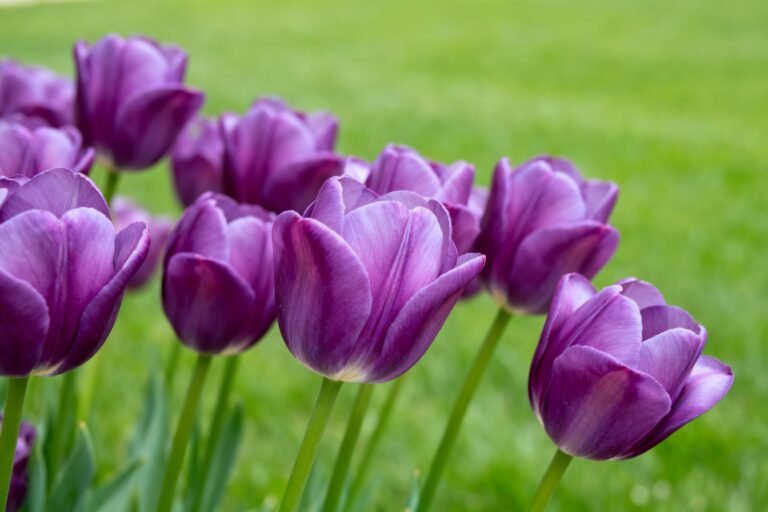
- Moody drama: Mix with deep purple tulips (‘Queen of Night’) or dark heuchera foliage.
- Naturalistic look: Scatter with blue muscari or forget-me-nots.
Instant cottage-core.
- Low-key luxe: Red doubles tucked into ornamental grasses for texture and movement.
Container Magic
No yard? No problem. Tulips love pots. – Use a deep container with drainage. – Plant bulbs cheek-to-cheek (almost touching) for lush density. – Layer with later-blooming varieties to extend the show. – Keep pots outdoors in winter so bulbs get their chill hours.
Balconies count.
Cut Flowers: From Garden to Vase Without Drama
Want showy bouquets? Tulips keep growing in the vase (yes, really), which gives them that graceful, bendy look. How to cut: Snip in the morning when blooms are just cracking open. Cut at an angle and strip lower leaves. Vase setup: Clean vase, fresh cool water, a little floral preservative. Pro tip: Wrap stems in paper for an hour after cutting to keep them straight, then arrange.
Replace water every 1–2 days. Tulips look great with branches (like pussy willow) and eucalyptus.
Keep Them Lasting Longer
– Keep out of direct sun and away from fruit (ethylene gas = premature wilting). – Trim stems every couple of days. – Combine with sturdier blooms if you want structure, because tulips like to lounge.
Pests, Problems, and How to Outsmart Them
Every flower has enemies. Fortunately, you have strategies.
- Squirrels and rodents: They snack on bulbs like it’s brunch.
Use wire mesh over planting areas, or plant with gritty gravel. Mix in daffodils—rodents hate them.
- Bulb rot: Happens in heavy, wet soil. Improve drainage with sand or grit.
Don’t overwater.
- Floppy stems: Caused by shade, warmth, or wind. Plant deeper, choose sturdy varieties, and give them sun.
- Virus streaking (broken color): Looks artsy but actually bad. Remove infected plants and sterilize tools.
Post-Bloom Strategy
– Deadhead, but leave leaves until they yellow. – In warm climates, lift bulbs after foliage dies back, store cool and dry, then replant in fall. – Or treat as annuals and refresh each year.
IMO, fresh bulbs = guaranteed wow.
Red Tulips in Culture: A Quick Flex
Red tulips played lead roles in history’s most extra plant drama—Tulip Mania in 17th-century Holland. Prices soared, fortunes flipped, and everyone learned not to invest their savings in petals. Today, they still headline spring festivals worldwide and star in everything from wedding bouquets to tiny urban balconies.
They’re classic for a reason.
FAQ
Do red tulips need full sun?
They love it. Aim for at least 6 hours of direct light. You’ll get stronger stems, richer color, and better re-bloom.
Partial shade works, but flowers might stretch and fade faster.
Can I grow red tulips in warm climates?
Yes, but you might need to pre-chill bulbs for 10–12 weeks at 40–45°F (fridge, not next to apples). Plant after chilling. Expect best results in year one.
After that, treat them like annuals.
How many bulbs should I plant together?
Go big. Plant in clumps of 10–15 bulbs for visual impact. Space 4–6 inches apart.
Small clusters look sparse; big clusters look intentional and lush.
What pairs well with red tulips?
White daffodils, blue muscari, dark tulips (‘Queen of Night’), ornamental grasses, and silver foliage (like artemisia). These combos either contrast the red or echo it in a way that feels chic, not matchy-matchy.
Why did my tulips not return this year?
Common reasons: waterlogged soil, not enough sun, bulbs planted too shallow, or warm, wet summers that stress them. Try Darwin hybrids, plant deeper, and keep summer soil on the dry side.
FYI, some climates just don’t favor perennial tulips—no shame in replanting annually.
Are tulips safe around pets?
Bulbs contain toxins that can upset pets if eaten. Keep bulbs out of reach and supervise curious diggers. In the garden, bury bulbs deep and consider deterrents if your pet moonlights as a landscaper.
Conclusion
Red tulips bring instant energy, a little romance, and a lot of style.
Plant them deep, give them sun, and don’t be shy with quantities. Mix varieties for a long season, snag a few for the vase, and let them do what they do best: steal the scene. IMO, if your spring needs a headline act, red tulips are the mic drop.