Sage Plant Care: Watering, Sunlight, and Soil Requirements
Sage doesn’t just sit in stuffing once a year like a wallflower. This herb brings flavor, fragrance, and a little witchy charm to your kitchen and garden year-round. It’s hardy, handsome, and honestly pretty low drama.
If you want a plant that does a lot for a little effort, sage deserves front-row access to your life.
Meet Sage: The Aromatic MVP
Sage (Salvia officinalis) comes from the Mediterranean, which explains its love for sun and dry feet. You’ll spot its soft, gray-green leaves and sometimes purple blooms that bees absolutely obsess over. It tastes earthy, slightly peppery, and a little piney—like a forest and a bakery had a very tasty baby. Use it fresh, dry it for later, or let it star in brown-butter sauces. Either way, it adds depth and character.
FYI, sage also pulls double duty as an ornamental plant, since those silvery leaves make any garden bed look intentionally curated.
Why Grow Sage? The Perks Are Real
Sage bragging rights go beyond flavor. Here’s what you’ll get:
- Low-maintenance perennial: Plant it once and enjoy it for years (in zones 5–9, with some winter love in colder areas).
- Pest-resistant: Its essential oils deter many garden pests.Deer and rabbits usually skip it like a salad with no dressing.
- Pollinator magnet: Bees and butterflies can’t resist the blooms.
- Kitchen workhorse: From roast chicken to crispy sage leaves on pasta, it just wins.
- Pretty and practical: Those velvety leaves look great in containers and borders.
Planting Sage: Set It Up for Success
You don’t need a fancy setup—just give sage the basics and it will thrive.
Soil and Sun
Full sun is non-negotiable. Aim for 6–8 hours daily. For soil, think well-draining and slightly sandy. Heavy, soggy soil?
Hard pass. If your garden stays wet, use raised beds or containers.
Starting Seeds vs. Buying Plants
– Seeds: Start 6–8 weeks before last frost.
They germinate slowly, so patience matters. IMO, seeds are great if you want a bunch of plants cheaply. – Transplants: Way faster payoff. Choose compact, healthy plants with no yellowing or rootbound pots.
Spacing and Companions
Give each plant about 18–24 inches of space; they spread like a small shrub.
Sage pairs well with rosemary, thyme, and lavender. Keep it away from basil—it likes more water than sage, and nobody enjoys a mismatched roommate.
Care and Feeding: Keep It Happy
Sage doesn’t ask for much, which we love.
- Water: Let soil dry between waterings. Overwatering = root rot city.
- Fertilizer: Go light.Too much nitrogen makes floppy growth and weak flavor. Compost in spring is plenty.
- Pruning: Trim lightly throughout the season to encourage bushiness. After flowering, cut back spent stems.In early spring, prune about a third to refresh growth.
- Winter care: Mulch in colder regions. Don’t prune hard in fall—wait until you see new growth in spring.
Container Tips
Use a pot with drainage holes (terracotta = chef’s kiss). A gritty potting mix works best: regular mix + perlite or coarse sand.
Water less in winter when growth slows. And rotate the pot occasionally so it doesn’t lean toward the sun like it’s chasing a celebrity.
Harvesting and Preserving: From Garden to Plate
Harvest once the plant looks established—usually after it’s at least 6–8 inches tall. Snip young leaves in the morning when oils peak.
Always leave enough foliage so the plant keeps photosynthesizing like a productive little solar panel.
Drying and Storing
– Air-dry: Tie small bundles and hang in a cool, dry place out of direct light. – Dehydrator: Lowest setting to preserve flavor. – Freezing: Chop and freeze in olive oil in an ice cube tray. Easy drop-ins for cooking. Pro tip: Dried sage tastes stronger and a bit different than fresh. Start with less when substituting.
Cooking with Sage: Big Flavor, Minimal Effort
Sage likes rich, buttery, and savory dishes.
It doesn’t always play nice with delicate flavors, so keep it where it can shine.
Quick Wins
– Brown butter + sage: Toss with gnocchi or ravioli. Add crispy sage leaves on top because you’re fancy. – Roast chicken: Sage, garlic, lemon zest under the skin. Zero regrets. – Sausage and stuffing: Classic for a reason. – Vegetables: Roast squash or sweet potatoes with sage and olive oil. – Sage tea: Steep a few leaves in hot water with honey and lemon.
Calm and cozy in a cup. FYI: A little goes a long way. If your dish tastes like a pine forest smacked it, you used too much.
Varieties Worth Trying
Not all sages taste or look the same. Here are some fun picks:
- Common sage (Salvia officinalis): Your baseline culinary star.
- ‘Berggarten’: Broad leaves, super ornamental, great flavor.
- ‘Purple Sage’: Deep purple leaves—gorgeous in mixed planters.
- ‘Tricolor’: Green, white, and pink variegation; mild flavor but stunning.
- ‘Golden Sage’: Limey variegation—brightens borders.
Quick Heads-Up on “Sage” Confusion
Not every plant called “sage” works in the kitchen.
White sage (Salvia apiana) is mostly ceremonial and wild-harvested (controversially). Russian sage (Perovskia) isn’t culinary sage at all. Stick to culinary cultivars for cooking and keep the others for the pollinators and the vibes.
Pests, Problems, and How to Dodge Them
Sage doesn’t attract drama, but let’s cover the basics.
- Powdery mildew: Shows up in humid, shady spots. Increase airflow, water the soil not the leaves, and space plants well.
- Root rot: Overwatering does it.Improve drainage and ease up on the hose.
- Aphids/spider mites: Rare, but if they show up, blast with water or use insecticidal soap.
IMO, most issues come from too much love (aka water). Sage likes benign neglect. Give it sun, space, and a little tough love.
Beyond the Kitchen: Traditions and Uses
People have used sage for centuries for culinary, herbal, and ritual reasons. Some folks burn sage bundles for cleansing spaces, though sustainability and cultural sensitivity matter here.
If you want smoke cleansing, consider growing your own culinary sage or use alternatives like rosemary or garden-grown incense. As for wellness, sage tea and gargles show up in traditional remedies. Always use common sense and talk to a pro if you have health conditions.
Culinary amounts in food? Totally fine.
FAQ
Can I grow sage indoors?
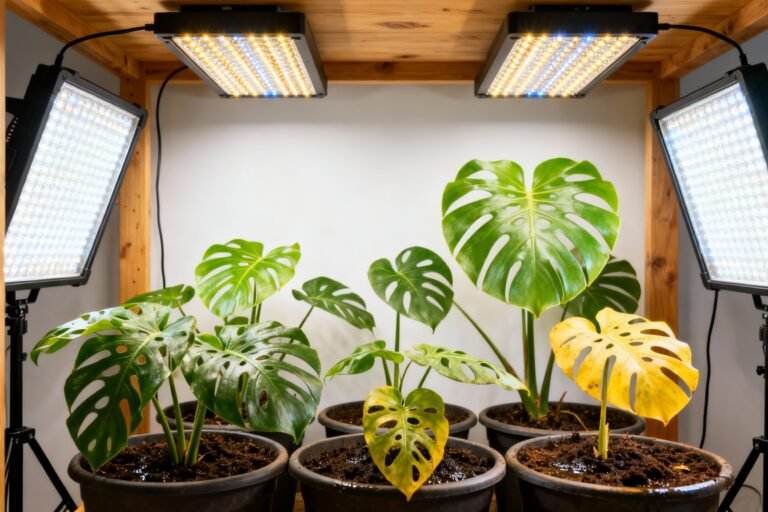
Yes, with bright light. Put it in the sunniest south-facing window or use a grow light for 12–14 hours daily.
Keep it in a well-draining mix and water sparingly. Indoors, airflow helps prevent mildew, so avoid cramped corners.
How often should I replace a sage plant?
Sage can get woody and less vigorous after 3–5 years. You can prune to refresh it, but plan to replace or propagate every few years.
Take cuttings in late spring for clones that keep the party going.
What’s the best way to propagate sage?
Softwood cuttings. Snip a 4–6 inch stem tip, strip lower leaves, dip in rooting hormone (optional), and stick it in a moist, gritty mix. Keep humidity high but not soggy.
Roots usually form in a few weeks.
Is all sage safe to eat?
Nope. Stick to culinary species and cultivars of Salvia officinalis. Ornamental salvias often taste terrible or aren’t suited for cooking.
When in doubt, read the plant tag or ask the nursery.
Why does my sage taste bitter?
Too much fertilizer, low light, or late-season old leaves can cause bitterness. Harvest younger leaves and dial back nitrogen. Cooking with fat (butter, olive oil) smooths any sharp edges.
Wrap-Up: Sage Is the Chill Hero Your Garden Needs
Sage brings flavor, beauty, and pollinator love with almost zero fuss.
Plant it in the sun, avoid overwatering, and snip leaves as you need them. Before long, you’ll wonder how you ever roasted anything without it. And if crispy sage leaves become your new personality?
Honestly, same.