Salvia Plant Care: Complete Guide to Growing Vibrant Blooms
Salvia doesn’t just sit in the garden looking pretty. It hums with bees, shrugs off heat like a champ, and blooms for ages with barely any fuss from you. Want long-lasting color, fragrant foliage, and a plant that actually earns its keep?
Say hello to salvia—the overachiever your garden secretly needs.
Meet Salvia: The Color-Throwing, Bee-Feeding MVP
Salvia is a huge genus in the mint family (Lamiaceae), and it shows off in just about every climate. You’ll find annuals, perennials, and shrubs, from electric blues to deep magentas and fiery reds. Most gardeners know salvia for one thing: insanely long bloom time with minimal drama.
Also, the scent? Many salvias carry that classic herbal, resinous aroma—part perfume, part bug repellent. If plants could wink, salvia would.
Choosing the Right Salvia (Don’t Overthink It…
But Also, Do)
With hundreds of species and cultivars, you’ve got options. The good news: you can’t really go wrong. The better news: you can choose like a pro in 30 seconds.
Top Types You’ll Actually Use
- Salvia nemorosa (Perennial): Compact, cold-hardy, and ridiculously reliable.
Popular varieties: ‘Caradonna’, ‘May Night’, ‘East Friesland’.
- Salvia microphylla and S. greggii (Perennial/Sub-shrub): Hummingbird magnets with pink, red, coral, and bicolor blooms. Great in hot, dry gardens.
- Salvia guaranitica (Perennial in warmer zones): Tall, lush, with neon cobalt spikes. Look for ‘Black & Blue’—it’s a showstopper.
- Salvia splendens (Annual): Classic bedding plant with red flames.
Old-school but still good for punchy color.
- Salvia farinacea (Annual/short-lived perennial): Florist-blue spikes. Tough and tidy.
- Salvia officinalis (Culinary sage): Not just pretty—edible and aromatic. Win-win.
Matchmaking by Climate
- Cooler climates (Zones 4–6): Go for S. nemorosa and hardy sages.
Mulch for winter, and you’re golden.
- Hot, dry climates (Zones 7–10): S. greggii, S. microphylla, and S. clevelandii thrive with heat and neglect. My people.
- Tropical/subtropical: S. guaranitica and Mexican sages love the warmth and often bloom nearly year-round.
Planting Salvia: Get It Right from Day One
You don’t need a ritual or a moon phase. Just plant smart.
Where and When
- Sun: Give salvias at least 6 hours of direct light.
More sun = more blooms. Shade equals sulk.
- Soil: Well-drained is non-negotiable. Amend heavy clay with compost and grit.
Wet feet = root rot.
- Timing: Plant in spring after frost, or early fall in mild climates so roots can settle in.
Spacing and Depth
- Spacing: 12–24 inches apart depending on variety. Airflow reduces mildew and aphids.
- Planting depth: Keep crowns at soil level. Don’t bury stems—salvia hates soggy collars (same).
Care That Doesn’t Feel Like Work
Salvia grows on the “set it and forget it” plan, but a few easy habits unlock peak performance.
Watering
- New plants: Water deeply weekly for the first month or two.
- Established plants: Water when the top 1–2 inches dry out.
Most salvias prefer slightly dry conditions.
- Container salvias: Check more often—pots dry fast in summer.
Feeding
- Soil prep: Mix in compost at planting.
- Fertilizer: Light feeding in spring with a balanced, slow-release fertilizer. Overfeeding causes lanky growth and fewer flowers (rude).
Pruning and Deadheading
- Deadhead spikes: Snip spent flower stems to trigger more blooms. S. nemorosa often reblooms 2–3 times.
- Hard prune (woody sages): In late winter or early spring, cut back by one-third to keep them shapely.
Don’t cut into old, leafless wood.
- Midseason haircut: If plants flop, shear lightly and watch them rebound.
Color Combos and Design Tips (AKA, Make It Look Like You Meant It)
Salvia’s clean spires and saturated colors play nice with almost everything. Want instant garden swagger? Pair textures and tones.
Winning Pairings
- With grasses: Blue salvia + blonde grasses (like Pennisetum or Deschampsia) = chef’s kiss.
- With roses: Purple S. nemorosa at the base of roses hides bare canes and makes blooms pop.
- With succulents: Hot pink S. greggii + silvery Echeveria or Artemisia looks modern and drought-smart.
- Cottage vibe: Mix with catmint, yarrow, and coreopsis for a pollinator rave.
Containers That Don’t Flop
- Thriller: Tall salvias like S. guaranitica.
- Filler: Compact S. farinacea or small greggii types.
- Spiller: Add trailing verbena or calibrachoa for color continuity.
Pollinators, Pests, and the “Good Drama”
You plant salvia for color, but the wildlife comes as a bonus.
Hummingbirds zoom in like tiny jets. Bees and butterflies treat it like a buffet. FYI, salvias with tubular flowers (greggii, microphylla, guaranitica) attract hummers best.
What about pests? Salvia leans pest-resistant, but nothing is bulletproof.
- Aphids and whiteflies: Hose them off or use insecticidal soap. Encourage ladybugs.
- Slugs/snails: Rare, but possible on young plants.
Iron phosphate baits work.
- Powdery mildew: Improve airflow and water at the base. Choose resistant varieties if this is a recurring theme in your life.
Propagation: More Salvia for Free (Best Price Ever)
You can turn one plant into many. It’s both thrifty and a little addictive—don’t say I didn’t warn you.
Cuttings
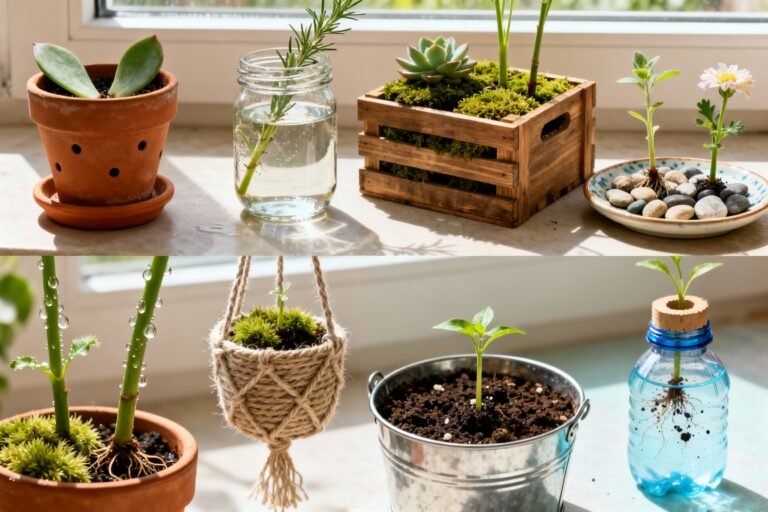
- Softwood cuttings: Snip 3–4 inch tips in late spring or early summer.
- Strip lower leaves, dip in rooting hormone (optional), stick in a gritty, moist mix.
- Keep bright and humid until roots form—usually a few weeks.
Division
- Best for clumping species like S. nemorosa.
- Divide in early spring or fall.
Replant divisions at the same depth and water in.
Seeds
- Start indoors 6–8 weeks before last frost, or direct sow after danger of frost.
- Germination varies by species. Hybrids may not come true—fun surprise, IMO.
Special Mentions: Culinary and Aromatic Stars
Not all salvias feed your stomach, but a few absolutely do.
- Salvia officinalis (culinary sage): Use leaves fresh or dried for roasts, pasta, brown-butter everything. Grow in full sun, lean soil, and don’t overwater.
- Ornamental aromatics: S. clevelandii smells like a desert spa.
Brush and sniff. Repeat.
Just to be crystal clear: many ornamental salvias aren’t edible. Always verify species before you taste-test your landscaping, okay?
FAQ
How long does salvia bloom?
Most salvias bloom for months—spring into fall—especially if you deadhead regularly.
S. nemorosa often gives you two or three flushes with a quick trim between. In mild climates, some woody types bloom almost year-round. Not to brag, but that’s elite performance.
Will salvia survive winter?
It depends on the type and your zone.
Hardy species like S. nemorosa handle freezing winters with a little mulch. Woody sages prefer warmer zones but can overwinter in pots indoors near a bright window. Check the plant tag for hardiness, and don’t push it unless you enjoy heartbreak.
Do I need to prune salvia every year?
Yes, but lightly.
Cut back in late winter or early spring to shape and encourage vigorous new growth. During the season, remove spent blooms and give a midseason shear if plants flop. It’s low effort and pays off with more flowers.
Why is my salvia flopping or getting leggy?
Usually it’s too little sun, too much fertilizer, or older stems that need a haircut.
Move it to a sunnier spot, dial back the feeding, and trim to promote bushier growth. Stakes can help tall varieties, but good pruning often fixes the problem.
Is salvia deer-resistant?
Deer usually avoid salvia because of the aromatic foliage. I said “usually.” Hungry deer break rules.
If browsing happens, try deterrents or plant salvia among more strongly scented herbs like rosemary and lavender for backup.
Can I grow salvia in shade?
Partial shade works for some types, but bloom count drops fast. Aim for morning sun and afternoon shade if your site bakes. If you only have deep shade, choose a different plant—salvia won’t love you back there, IMO.
Conclusion
Salvia brings serious color, texture, and pollinator traffic without demanding your weekends.
Pick the right type for your climate, plant in sunny, well-drained spots, and give a quick prune here and there. In return, you’ll get months of blooms, a buzzing garden, and zero regrets. Honestly, if every plant behaved like salvia, we’d all have more time for coffee and admiring our handiwork—preferably both at once.