Secret Garden Ideas: How to Create a Hidden Outdoor Sanctuary
What if the most exciting place you visit this year sits right behind a creaky gate you’ve never noticed? A secret garden doesn’t just hide plants; it hides stories, routines, and tiny rituals that make life feel richer. You don’t need a sprawling estate or a Victorian mystery.
You need curiosity, a patch of space, and a willingness to get your hands a little dirty.
What Makes a Garden “Secret,” Anyway?
Not all secret gardens hide behind ivy walls and brass keys. Sometimes they live on balconies, rooftops, or the odd corner of a yard where sunlight sneaks in. The “secret” part isn’t about secrecy.
It’s about intention. A secret garden feels like your own private set, where you call the shots and nature improvises. You build a mood, not just a planting scheme.
Think cozy seating, unexpected textures, and the kind of corners you want to wander into on purpose.
Clues Your Garden Wants To Be Secret
- It feels tucked away: Hedging, lattice, or tall planters create gentle privacy.
- It whispers, doesn’t shout: Subtle color palettes and layered greens beat neon flower chaos.
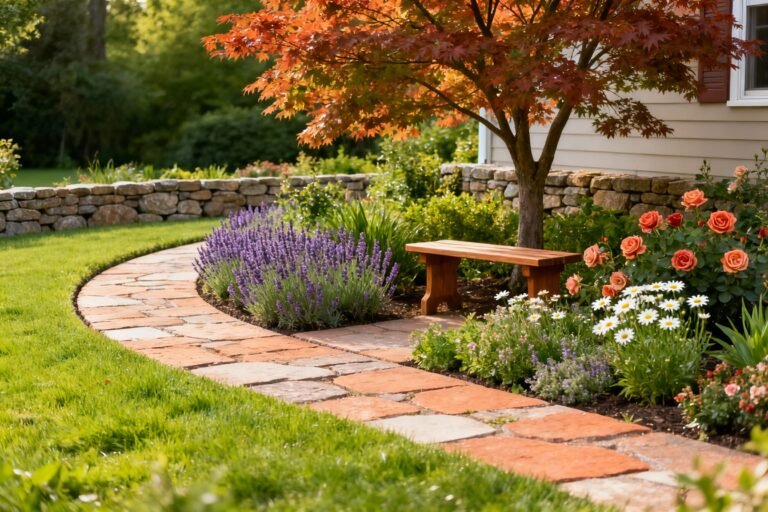
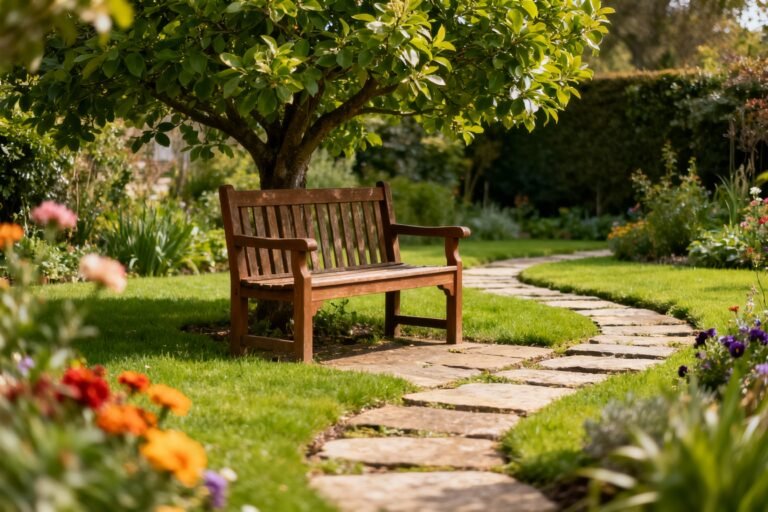
- It rewards lingering: A bench, a stepping stone path, a birdbath—simple cues to slow down.
Choosing the Right Spot (Even If You Don’t Have One)
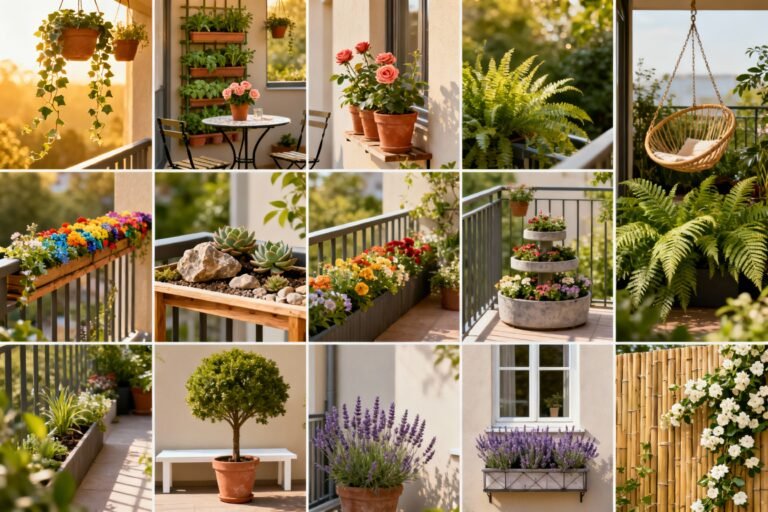
You can carve out a secret garden almost anywhere. Balcony? Use height and containers.
Tiny yard? Use corners and curves. Rooftop?
Welcome to the party—just watch the wind. Sunlight decides what thrives. Track your light for a week. Morning sun suits delicate blooms. Afternoon sun scorches, but succulents clap.
Deep shade? Think ferns, hostas, moss, and moody vibes.
Micro-Zones = Magic
Create different “rooms” with planters and screens:
- Reading nook: Dappled light, scented herbs, a chair you actually like.
- Wild corner: Taller grasses and native flowers for pollinators.
- Tea spot: Mint, chamomile, and a tiny side table. FYI, mint needs a pot unless you enjoy chaos.
Designing the Mood (Not Just the Layout)
Design your garden like a playlist.
You want flow, quiet moments, and one or two bangers. Start with structure—paths, seating, focal points—then layer plants like harmonies. Pick a vibe and commit. Whimsical cottage? Go layered, soft, and romantic.
Modern hideaway? Think sculptural plants, clean lines, and dark mulch for contrast. IMO, one striking focal point beats ten knickknacks.
Plant Palettes That Just Work
- Shady serenity: Ferns, astilbe, hellebores, Japanese forest grass.
Add a mossy stone.
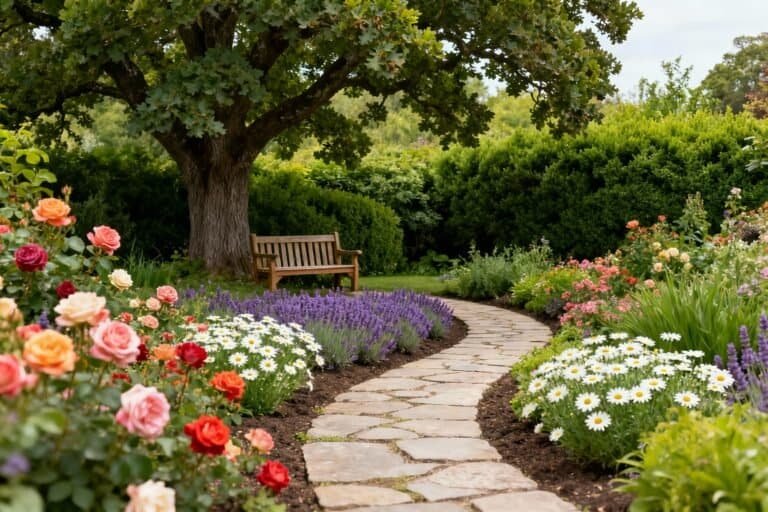
- Sun-kissed calm: Lavender, salvia, rosemary, echinacea. Bees RSVP “yes.”
- Night garden: White blooms (moonflower, nicotiana), silver foliage, soft lighting.
Texture > Color (Most Days)
Mix leaf shapes and sizes: broad hosta leaves next to fine ferns, glossy camellia near fuzzy lamb’s ear. You’ll get depth even when flowers take a break.
Flowers are the icing; foliage is the cake.
Low-Key Features That Feel High-Impact
You don’t need a fountain carved by Renaissance hands. You need little details that whisper, not shout.
- Pathways: Stepping stones or gravel guide feet and frame plants. Curves create mystery.
- Seating: A bench you can leave outside.
Add a cushion you won’t cry over if it gets rained on.
- Water: A simple bowl or solar bubbler invites birds and calms brains. Instant sanctuary.
- Screens: Trellises, bamboo panels, or tall pots grant privacy without building a bunker.
- Lighting: String lights, stake lanterns, or solar spotlights. Warm white over blue, always.
Secret Spots for Little Surprises
Hide a tiny statue under ferns, hang a wind chime in a quiet corner, or tuck thyme between pavers.
Small delights make you feel like the garden knows you back.
How To Keep It Alive Without Becoming a Full-Time Gardener
Yes, plants need water. No, you don’t need a horticulture degree. Build habits that fit your life. Water consistently, not heroically. Use drip lines or a simple soaker hose with a timer.
Deep, infrequent watering beats daily sprinkles. Mulch like you mean it—2-3 inches keeps moisture in and weeds out.
The Minimalist Maintenance Loop
- Weekly walk-through: Pull obvious weeds, deadhead spent flowers, and check for pests.
- Monthly edit: Trim, tidy, and adjust pots. If a plant sulks, move it.
- Seasonal reset: Refresh mulch, add compost, rotate annuals, sharpen tools.
Container cheat code: Pots mean control over soil, drainage, and mood.
Group them in odd numbers. Mix heights. Use the thriller-filler-spiller method and call it a day.
Plants With Personality (That Won’t Ghost You)
Want plants that feel charming but don’t demand therapy?
Start here.
- Lavender: Smells like vacation, loves sun, hates wet feet.
- Heuchera (coral bells): Comes in wild leaf colors, plays nice in shade.
- Boxwood or dwarf yew: Structure without drama. Clip into shapes if you feel fancy.
- Clematis: Climbs trellises and makes any fence look like a fairy tale.
- Hydrangea: Big blooms, big impact. Keep them watered and they’ll perform.
- Native wildflowers: Support pollinators, look natural, and thrive with less fuss.
Herbs = Instant Romance (and Dinner)
Rosemary topiary by the door?
Adorable. Thyme between stones? Chef’s kiss.
Basil in summer pots? Yes, and yes again. FYI, herbs need sun and decent drainage or they sulk.
Making It Truly Yours
Your garden should look like your playlist, your Sunday mornings, your favorite cup of tea.
Hang a mirror on a fence to fake depth. Paint a wall a deep green-black to make foliage pop. Add cushions in a color you actually love. Edit as you go. Gardens evolve.
You will move pots twelve times and then act like you planned it. IMO, perfection ruins a good secret garden. Let it breathe.
Let it surprise you.
Rituals That Glue It All Together
- Morning check-in: Coffee + five minutes to notice what changed overnight.
- Golden hour pause: Lights on, herbs brushed, deep breath taken.
- Weekend reset: Sweep paths, top up birdbath, snip a small bouquet.
FAQ
Do I need a big yard to create a secret garden?
Nope. You can craft one on a balcony, patio, or even a windowsill. Focus on privacy, layered plants, and a single cozy seat.
Vertical elements—trellises, shelves, hanging baskets—multiply your space instantly.
What’s the cheapest way to get that hidden-garden feel?
Start with structure. Add a thrifted chair, a few stepping stones, and a cluster of mismatched pots. Sow seeds instead of buying full-sized plants.
Mulch and string lights do suspiciously heavy lifting for the cost.
How do I keep it low maintenance?
Choose plants suited to your light and climate, then mulch and water deeply but less often. Group pots so they share humidity and watering needs. Automate with a simple hose timer and consider perennials over thirsty annuals.
What about privacy from neighbors without building a wall?
Use layered screening: tall grasses in planters, lattice with climbers (clematis, jasmine), and a freestanding trellis.
Angle seating so your back faces sightlines. A small fountain also masks noise and awkward conversations.
Can I make a secret garden for wildlife without it becoming a bug party?
Yes. Plant natives, add a water source, and leave a small “wild” patch.
Balance with tidy paths and regular pruning. Healthy plants attract beneficial insects that keep the truly annoying ones in check.
How do I design for nighttime?
Pick pale, reflective blooms and silver foliage, then layer warm lighting: fairy strings, stake lanterns, and a couple of low spots on focal plants. Add scent—night-blooming flowers or herbs you can brush past on purpose.
Conclusion
A secret garden doesn’t need a locked gate or a plot twist.
It needs intention, a few clever layers, and a spot where you actually want to sit. Start small, edit often, and let the plants have a say. Build a place that hides you just enough from the noise—then go get lost there on purpose.