Spring Flowers Guide: Best Varieties for a Colorful Season
Spring doesn’t knock; it bursts in with a floral parade and zero chill. One morning you’re wearing a sweater, the next you’re Googling “how to keep tulips from flopping.” The world smells different, colors get louder, and even the grumpiest people start smiling at daffodils. If that isn’t magic, what is?
Why Spring Flowers Feel Like a Reset Button
Spring flowers don’t just look pretty.
They mark a shift—longer days, warmer air, and an excuse to haunt garden centers like it’s a personality trait. Their arrival signals growth, hope, and fresh starts. You plant a bulb in the cold and trust it to bloom months later.
That’s optimism on a stick. Bonus: early blooms feed hungry pollinators emerging from winter. Bees need those nectar bars open ASAP. So when you plant crocuses, hellebores, or willow catkins, you’re basically running a spring soup kitchen—cute and altruistic.
The MVPs of Early Spring
If you want color before your neighbors finish complaining about frost, pick flowers that shrug at chilly mornings.
- Crocus: Tiny, tough, and dramatic. They pop through snow like, “We’re here!
We’re thriving!” Plant them in clumps for impact.
- Snowdrops: Delicate bells with serious grit. They bloom even when winter refuses to leave.
- Hellebores (Lenten rose): Shade-friendly, long-blooming, and low-maintenance. The goth kids of spring flowers—moody and stunning.
- Daffodils: Cheerful and deer-resistant.
Want reliable? Plant dozens. Better yet, plant hundreds.
- Tulips: Iconic divas.
Gorgeous, but many act like annuals unless you pick perennial types or replant each year.
Pro tip: Layer your bulbs
Stagger bloom times by planting early, mid, and late varieties together. That way your garden throws a weeks-long party instead of a one-day rave.
Colors That Actually Work Together (No Clown Chaos)
Spring makes it easy to go overboard. You see a rainbow, buy the rainbow, plant the rainbow—and end up with chaos.
Let’s avoid that.
- Go monochrome: All whites or all purples look classy. White tulips + white hyacinths = clean and dreamy.
- Pick a palette: Try soft pastels (blush, lavender, butter yellow) or bold brights (magenta, orange, cobalt).
- Contrast smartly: Deep purple tulips next to pale narcissus? Chef’s kiss.
- Foliage matters: Add ferns, epimediums, or heuchera for texture so your flowers don’t float like balloons.
Match the vibe to the space
– Small balcony?
Choose compact bulbs and short-stem tulips. – Front yard? Mass-plant daffodils in drifts. One here, one there looks sad. – Shady nook?
Hellebores and wood anemones will make it feel enchanted, and yes, you deserve that.
Planting: Timing, Tools, and Zero Nonsense
Yes, you missed bulb-planting season if it’s already spring. Don’t panic. Plant now, enjoy later.
Buy potted spring flowers to get instant color, then plant bulbs in fall like the organized person you pretend to be. For bulbs (fall planting):
- Pick healthy bulbs: firm, no mold, nice weight.
- Plant at a depth of 2–3 times the bulb’s height.
- Give them good drainage. Soggy soil equals bulb sadness.
- Water once after planting, then let winter do its thing.
For spring perennials and potted blooms:
- Check sun needs. Full sun means 6+ hours, not “bright-ish.”
- Loosen roots and mix in compost.
Good soil = fewer regrets.
- Water deeply after planting. Not a sprinkle—a soak.
Containers? Absolutely.
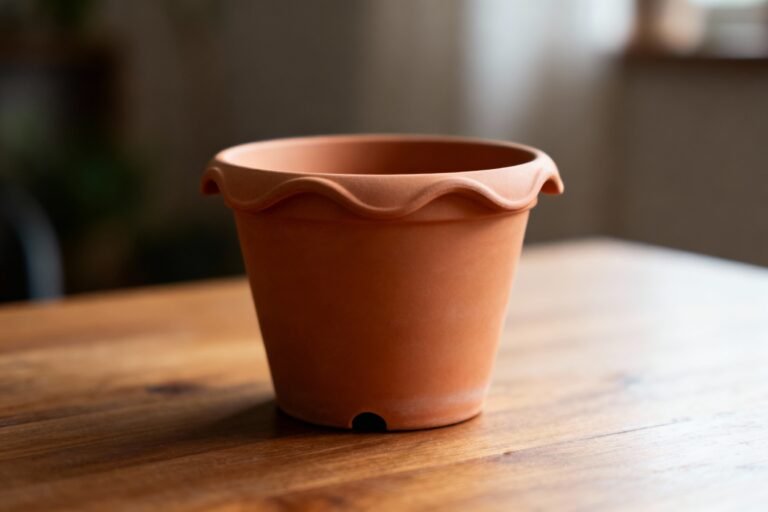
– Use big pots with drainage holes. – Layer: tall bulbs in the middle, trailing plants at the edge. – Mix textures: tulips + pansies + ivy looks designer without trying. – FYI: pots dry out faster.
Check daily when it warms up.
Fragrance You Can Actually Smell
Some spring flowers smell like heaven, not “generic floral candle.”
- Hyacinths: Loud perfume energy. A few stems scent a whole room.
- Daphne: Small shrub, big fragrance. Treat it nicely, it’s a diva.
- Sweet peas: Not a spring bulb, but early sown = late spring magic.
Plant near a path for sniffing distance.
- Viburnum x bodnantense: Pink clusters, spicy-sweet scent, blooms in late winter into spring.
Bring it indoors
– Force bulbs like paperwhites or hyacinths in bowls with pebbles and water. – Cut daffodils and tulips for vases. Tip: condition tulips in cold water for an hour; they’ll stand taller. – Don’t mix fresh-cut daffodils with other flowers right away. Their sap can be rude.
Let them sit in water solo for a few hours first.
Pollinators: Make Your Yard a Brunch Spot
We love flowers. Bees and butterflies love them more. Give them variety and they’ll return the favor by pollinating everything. Bee-approved spring bloomers:
- Grape hyacinth (muscari)
- Pulmonaria (lungwort) – ugly name, great plant
- Willow catkins and early maples
- Heather and hellebores
- Native wildflowers like violets and trillium (region-dependent)
Simple pollinator rules
– Plant in clumps so insects don’t waste energy hunting. – Avoid pesticides, especially when plants bloom. – Include single flowers over doubles when possible; doubles often hide nectar.
Common Oopsies and How to Dodge Them
You’re not failing; you’re learning.
Still, let’s skip the heartbreak.
- “My tulips vanished!” Some varieties don’t perennialize. Choose Darwin hybrids or species tulips, or treat fancy ones as annuals. IMO, both strategies are valid.
- “Something ate my bulbs.” Use bulb cages or plant daffodils (critter-proof).
Mix in gravel to annoy diggers.
- “Everything flopped.” Wind + tall stems = drama. Stake early or pick shorter varieties. Also, don’t overfertilize.
- “They bloomed once and ghosted me.” Many spring bulbs need sun after bloom to recharge.
Don’t cut foliage too soon; wait until it yellows.
Aftercare that pays off
– Deadhead spent blooms so energy goes to bulbs, not seeds. – Feed with a balanced bulb fertilizer right after flowering. – Let foliage die back naturally (yes, it looks messy—hide it with perennials like daylilies).
Design Moves That Make You Look Like You Know Things
You don’t need a landscape degree. You just need a plan and maybe a coffee.
- Drifts over dots: Plant 15–50 bulbs per area for impact. One tulip looks lonely, and not in a poetic way.
- Sequence the show: Combine early, mid, and late bloomers.
Crocus to hyacinth to tulip to allium—smooth progression.
- Mix heights: Low: scilla and anemone. Mid: narcissus. Tall: tulips and alliums.
Layer for depth.
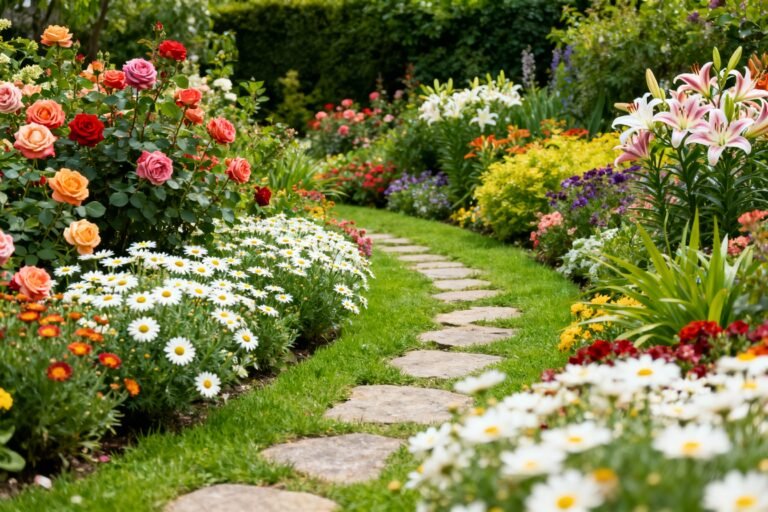
- Think edges: Line paths with grape hyacinths or pansies. Instant cottage-core.
Small space cheat codes
– Plant lasagna-style in pots: tulips deepest, then narcissus, then crocus. – Use mirror-backed shelves or light-colored pots to brighten shady corners. – Grow sweet peas on a tiny trellis—vertical color saves space and looks intentional, FYI.
FAQ
When should I plant spring bulbs?
Plant most bulbs in fall, about 2–4 weeks before the ground freezes. They need cold to bloom well.
If you missed it, buy pre-chilled bulbs or potted plants in spring and plan your fall bulb binge early. Set a reminder now—future you will thank present you.
How do I get tulips to return every year?
Choose perennial types like Darwin hybrids or species tulips, plant them deep in well-drained soil, and let the leaves fully die back. Avoid overwatering in summer dormancy.
In heavy clay, add grit or plant in raised beds—tulips hate wet feet, IMO.
What flowers will deer and rabbits avoid?
Daffodils, alliums, fritillaria, hellebores, and hyacinths usually taste terrible to them. Nothing is 100% safe if wildlife gets desperate, but those choices tip the odds in your favor. Also consider scent-based repellents and strategic placement near walkways.
Can I grow spring flowers in shade?
Yes—focus on hellebores, snowdrops, epimediums, and some narcissus varieties.
Light or dappled shade works best. Deep cave darkness? Not so much.
Brighten it with pale blooms and variegated foliage to fake more light.
Do I need to fertilize spring bulbs?
A little helps. Mix in compost at planting and top-dress with a balanced bulb fertilizer right after flowering. Skip high-nitrogen products; they push leaves, not blooms.
Healthy soil and proper drainage matter more than any magic powder.
What’s the easiest spring flower for beginners?
Daffodils. Hands down. They’re tough, reliable, critter-resistant, and they multiply over time.
Plant a bunch, forget them, and enjoy an annual confetti moment with almost zero effort.
Conclusion
Spring flowers flip the switch from gray to gorgeous, and they don’t ask for much—some planning, decent soil, and the occasional pep talk. Start with a few reliable favorites, layer bloom times, and add fragrance where you’ll actually smell it. Mix in some pollinator-friendly choices and you’ll upgrade your yard, your mood, and the neighborhood bee gossip.
Plant boldly, edit lightly, and let spring show off a little—it earned it.