Succulent Arrangements: Creative Ideas for Indoor and Outdoor Decor
Succulents don’t ask for much, yet they look like miniature sculptures. That’s a pretty sweet deal. If you want a low-drama plant project that still looks intentional and design-y, succulent arrangements are your playground.
We’ll talk combos, containers, care, and a few tricks that make your arrangement look like it came from a fancy plant shop (without the fancy plant shop prices).
Why Succulent Arrangements Just Work
You can mix textures, colors, and shapes, and they’ll still look cohesive. Succulents bring structure, and structure makes everything feel landscaped and calm. You also get flexibility: small desk bowl?
Windowsill trough? Big patio centerpiece? All fair game.
Plus, they’re forgiving. Forget a watering? They shrug.
Move them to a brighter spot? They usually perk up. FYI: the only thing they don’t forgive is soggy soil.
Design Basics: Thriller, Filler, Spiller (But Make It Succulent)
The garden design classic works great here.
Think in roles, not individual plants.
- Thriller: The focal point. Taller or sculptural. Try Aeonium, Aloe, Haworthia “Zebra,” or a chunky Echeveria.
- Filler: Mid-height, adds body. Echeveria, Graptopetalum, Crassula ovata (jade), or Peperomia ferreyrae.
- Spiller: Softens edges. Senecio “String of Pearls,” Sedum morganianum (burro’s tail), or Crassula “Campfire.”
Pro tip: Go for a mix of leaf shapes—pointy, rosette, bead-like.
Contrasts make everything pop.
Color Combos That Never Miss
- Desert sunset: Blue-green rosettes + coral/orange sedums + a purple aeonium.
- Monochrome chic: All silvers and blues—think Echeveria ‘Lola’, Kalanchoe pumila, blue chalk sticks.
- Moody jewel: Deep burgundy aeonium + emerald jade + pale green string of pearls.
Containers: Choose the Right Stage
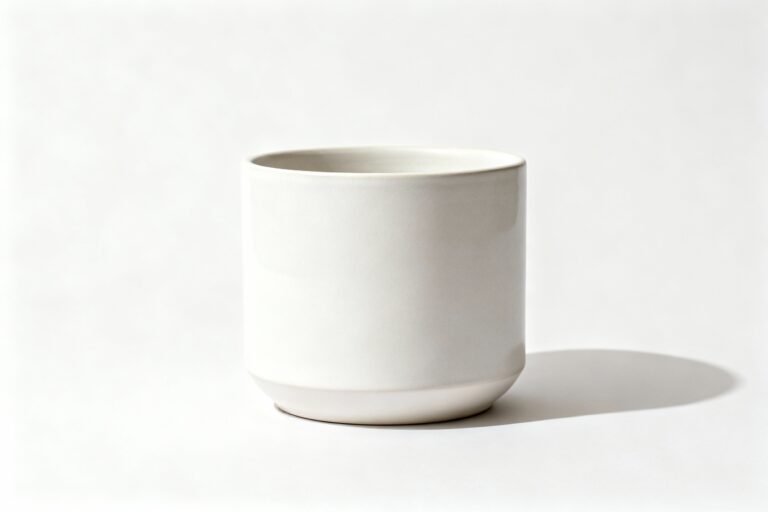
The container sets the vibe. Rustic terracotta? Clean white ceramic?
Reclaimed wood? You decide.
- Drainage holes matter. Non-negotiable.
If your dream vessel doesn’t have one, add a hole or use it as a cache pot with a nursery pot inside.
- Shallow and wide works best for multi-plant arrangements. Succulent roots are shallow, and you’ll see more of the composition.
- Material: Terracotta breathes and helps prevent overwatering. Glazed ceramic holds moisture longer—great if your home runs dry.
Top Dressing: The Instant Glow-Up
Finish with gravel or decorative pebbles.
It hides soil, stabilizes plants, and reduces fungus gnats. Crushed granite, black lava, or white marble chips can totally transform the look. IMO, top dressing is the difference between “cute” and “whoa, nice.”
Soil, Light, and Water: Get These Right, and You’re Golden
Succulents don’t thrive on love; they thrive on neglect.
Here’s the formula.
- Soil: Use a gritty, fast-draining mix. Combine 1 part cactus soil with 1 part pumice or perlite. If your mix stays wet more than 3–4 days, add more grit.
- Light: Bright indirect to 3–6 hours of direct morning sun indoors.
Outdoors, give bright light with some afternoon shade, especially in hot climates.
- Water: Soak, then let the soil dry completely. Every 10–21 days depending on season, container, and light. When in doubt, wait a few days.
Signs you’re off track:
- Overwatered: Mushy leaves, black stems, leaves falling off with a squish.
- Underwatered: Wrinkly, thin leaves that perk up after watering.
- Not enough light: Stretched, leggy growth and faded color.
Fertilizer: The Gentle Nudge
Feed lightly in spring and early summer with a diluted (1/4 strength) balanced fertilizer or a cactus-specific one.
Skip winter. You want color and compact growth, not a leggy speed-run.
How to Build a Succulent Arrangement (Step-by-Step)
Let’s make one. It takes 20–30 minutes and a little mess.
- Gather supplies: Container with drainage, cactus mix + pumice/perlite, plants, mesh screen (optional), top dressing, spoon or scoop, gloves.
- Prep the pot: Place a small piece of mesh over the drainage hole to keep soil in but let water out.
- Add soil: Fill 2/3 full.
Mound it slightly higher in the back if you want depth.
- Place your thriller: Slightly off-center. It should look intentional, not like a plant meeting.
- Add fillers: Triangles are your friend. Arrange in odd numbers for a natural look.
- Tuck in spillers: Near edges so they can drape.
Leave breathing room between plants.
- Backfill and firm: Add soil and gently tap to remove air pockets. Don’t bury rosettes.
- Top dress: Pebbles or gravel to finish. It’s the eyeliner of arrangements.
- Wait to water: Give it 2–3 days so any broken roots can callus.
Then water thoroughly.
Cuttings vs. Potted Plants
You can build with nursery plants for instant fullness or use cuttings for budget-friendly abundance. With cuttings, let them callus for 2–5 days before planting, then mist lightly for a week and switch to deeper watering once roots form.
Patience = payoff.
Style Ideas for Different Spaces
Want a vibe? Pick a theme and run with it.
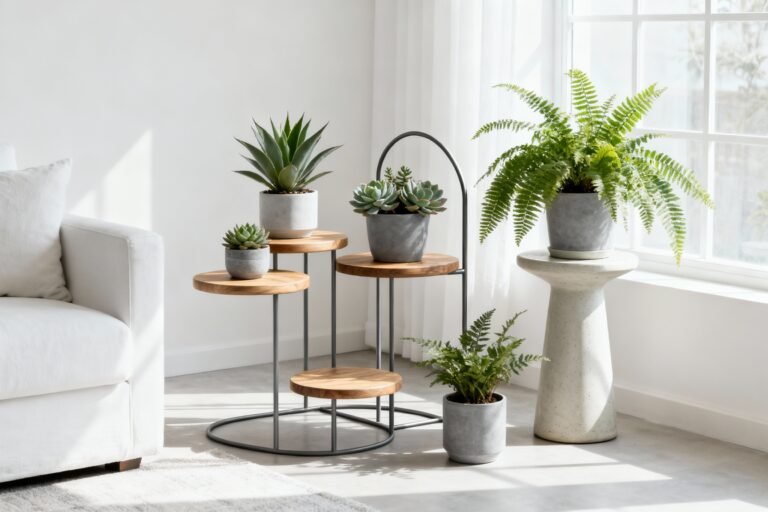
- Minimalist desk bowl: One large blue echeveria, two zebra haworthias, black lava rock.
- Boho windowsill trough: Mixed pastel rosettes, string of pearls spilling over, white pebbles.
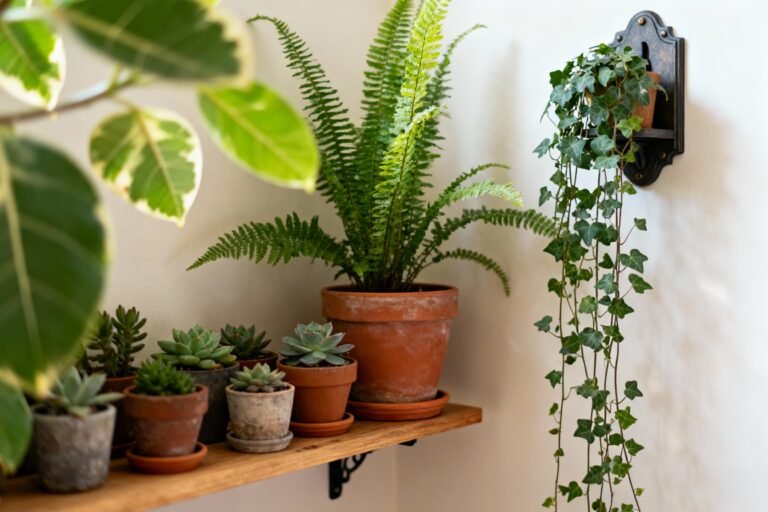
- Outdoor coffee table centerpiece: Rustic terracotta bowl, aeonium thriller, sedum fillers, red lava top dressing.
- Modern wall planter: Pocket planter with cascading sedums and tight echeverias. Keep it light on water—gravity isn’t your friend.
Cold, Heat, and Seasonal Shifts
Most succulents prefer 60–80°F.
Protect from frost and scorching afternoon sun. Rotate the arrangement every couple of weeks to keep growth even. If colors fade in winter, don’t panic—lower light does that.
Bring on the spring sun and they’ll blush again, IMO.
Maintenance: Keep It Cute Over Time
Arrangements evolve. That’s part of the fun.
- Groom: Pluck dead leaves from the base to prevent pests.
- Rotate: Quarter-turn every week or two for symmetry.
- Refresh: If a plant outgrows the vibe, swap it or behead and re-root. Succulents are shockingly chill about haircuts.
- Pest patrol: Mealybugs look like cotton.
Dab with isopropyl alcohol on a cotton swab and improve airflow.
Common Mistakes (And How to Dodge Them)
- Using regular potting soil. Too wet. Add grit or use cactus mix.
- Watering on a schedule.
Check the soil instead. Dry? Water.
Damp? Wait.
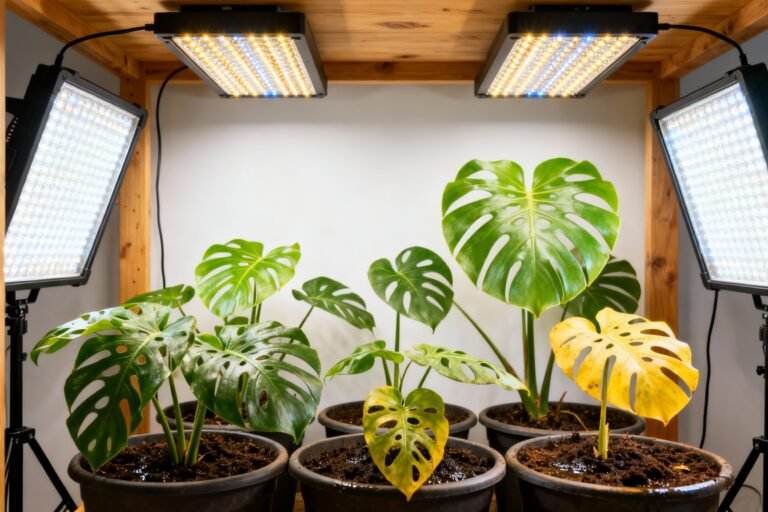
- Too little light. Move closer to a bright window or add a grow light.
- Cramming plants too tight.
Leave gaps so they can grow and so air can circulate.
FAQ
Can I use a container without drainage?
You can, but it’s a risk. If you must, use a nursery pot inside the decorative vessel and lift it out to water. Or water very sparingly and track moisture carefully.
In general, drainage holes save lives—plant lives, anyway.
How much sun do indoor succulent arrangements need?
Aim for bright, indirect light plus a few hours of gentle direct sun. A south or east window usually works. If rosettes stretch or colors dull, they want more light.
A small LED grow light solves this fast.
How often should I water?
Water only after the soil dries completely, then soak until water drains out. That could be every 10 days in summer and every 2–4 weeks in winter. Temperature, pot size, and light all matter, so check the soil with a finger or moisture meter.
What succulents are best for beginners?
Try Echeveria, Haworthia, Gasteria, jade (Crassula), and sedums.
They’re tough, handle irregular watering, and look great together. Avoid super finicky ones like lithops until you’re in your final boss era.
Why are my succulents getting leggy?
They’re stretching for more light. Move the arrangement to a brighter spot, rotate regularly, and consider a grow light.
You can behead stretched rosettes, let them callus, and replant for a compact reset.
Do I need to fertilize?
Lightly, yes. Feed at 1/4 strength in spring and early summer to support color and shape. Skip late fall/winter.
Too much fertilizer equals goofy, floppy growth—no thanks.
Wrap-Up: Tiny Sculptures, Big Impact
Succulent arrangements deliver maximum style with minimal fuss. Nail the drainage, give them bright light, and water like a cautious camel. Mix shapes, add top dressing, and edit over time.
Before you know it, your coffee table centerpiece will look curated, not chaotic—FYI, your friends will absolutely ask how you did it.