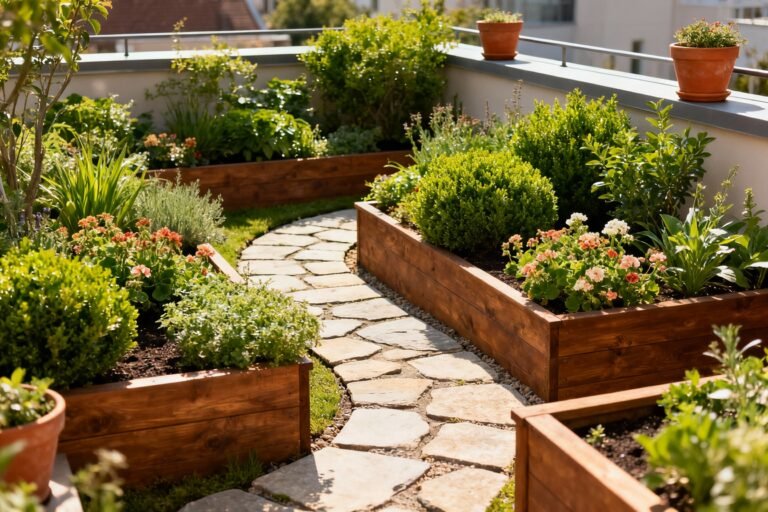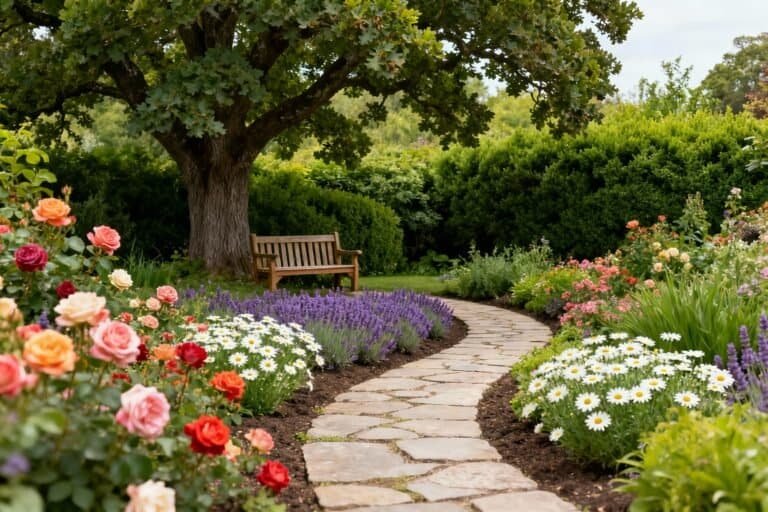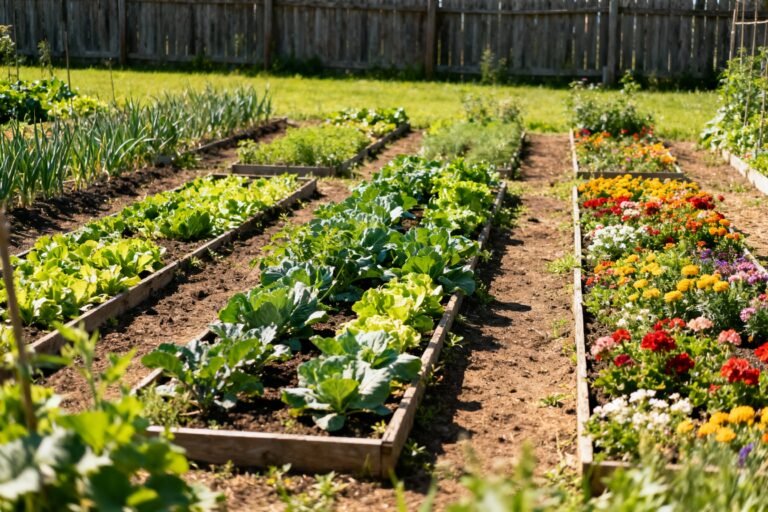
Terrace Garden Ideas to Transform Your Outdoor Space
You’ve got a terrace and a dream. Maybe a few sad plastic chairs, a hungry basil plant, and a sunset view you barely use. Let’s fix that.
With a few strategic moves, you can turn your terrace into a lush, functional garden that doubles as your favorite hangout spot. No sprawling yard needed—just a little creativity, a dash of dirt, and a plan.
Start With a Plan (So You Don’t Regret Everything Later)
Consider how you want to use the space. Morning coffee nook?
Cocktail lounge? Vegetable supply chain? Pick your vibe first, then choose plants and furniture to match. Measure your terrace and note where the sun hits.
You’ll avoid crispy leaves and cranky plants that secretly hate full sun. Also check weight limits if you’re in an apartment—soil and big planters get heavy fast.
Sun, Shade, and Wind: The Big Three
– Sun lovers: Tomatoes, chillies, rosemary, bougainvillea. – Partial shade fans: Lettuce, spinach, ferns, peace lily. – Wind block: Use trellises, bamboo screens, or tall grasses. Your mint doesn’t want to reenact a wind tunnel experiment.
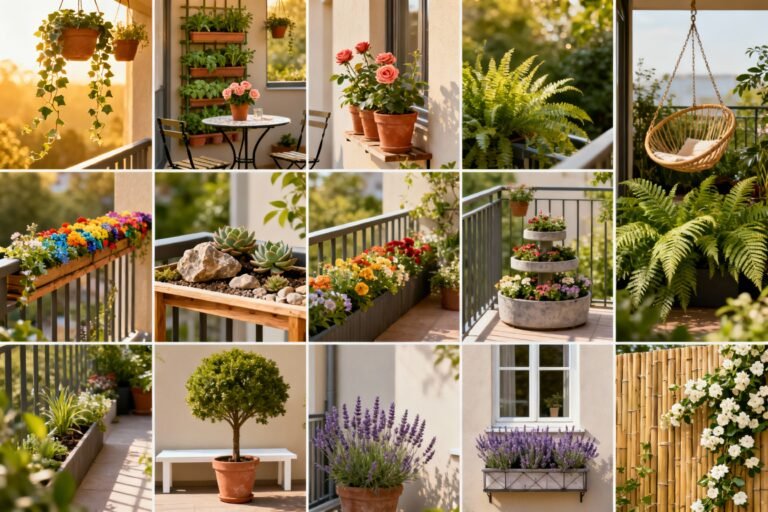
Go Vertical: Grow Up, Not Out
Terraces thrive when you use height.
Vertical gardening looks great and saves precious floor space. Plus, it’s ridiculously satisfying to harvest basil from the wall like some kind of herb ninja.
Vertical Ideas That Actually Work
- Wall-mounted planters: Stagger them for a nice pattern and easy watering.
- Trellises + climbers: Try jasmine, passionflower, cucumbers, or beans. Fragrance + shade = win.
- Hanging baskets: Pop in strawberries, trailing tomatoes, or petunias for color.
- Stacked shelves: Metal or wood racks create instant garden “tiers.” Keep heavy pots low.
Containers That Don’t Look Like You Gave Up
Containers make or break the look.
Mix sizes and textures, but keep a color palette so it doesn’t scream “yard sale.”
- Terracotta: Classic and breathable. Seal inside if heat is intense to slow drying.
- Lightweight fiberstone or resin: Great for balconies; easier on weight limits.
- Grow bags: Cheap, portable, and perfect for potatoes, peppers, and herbs.
- Self-watering planters: FYI, these are a lifesaver if you travel or forget things (like watering).
Soil and Drainage (Don’t Skip This)
– Use a lightweight potting mix, not garden soil. – Add perlite or pumice for airflow. – Make sure every pot has drainage holes and a saucer to protect the terrace. – Elevate pots slightly with feet to prevent soggy bottoms (the plants, not yours).
Plant Combos That Look Good and Taste Better
You want color, texture, and maybe something edible. You can have it all—IMO, mixed containers keep things interesting and productive.
Foolproof Combos
- Mediterranean pot: Rosemary (upright), trailing thyme, and purple sage.
Sun and warmth = happy.
- Salad bowl: Cut-and-come-again lettuces, arugula, and chives. Harvest nonstop.
- Pollinator corner: Lavender, marigolds, and zinnias. More bees = bigger harvests.
- Chillies + basil duo: They love sun, and you get pasta night on demand.
Small Fruit on a Terrace?
Yes.
– Dwarf citrus: Lemons or calamondin in big pots. Bring them close to the sunniest wall. – Strawberries: Hang them or use stacked planters. Kids (and adults) will raid them daily. – Blueberries: Choose compact varieties and acidic potting mix.
Worth the effort.
Make It Cozy: Seating, Shade, and Vibes
Your terrace garden should feel like a room you actually want to use. Balance greenery with comfy seating and shade you control.
- Flexible seating: Foldable bistro sets or a cushioned bench with storage for tools.
- Shade smart: A cantilever umbrella or shade sail cools plants and humans.
- Outdoor rug: Instantly turns “balcony” into “lounge.” Choose quick-dry materials.
- Lighting: Solar string lights, lanterns, or low-voltage spots. Soft, not interrogation-level.
Color and Texture Tricks
– Repeat 2-3 pot colors for cohesion. – Mix leaf shapes: spiky (yucca), round (hosta), lacy (fern). – Use odd-number groupings (3s and 5s) for a designer look without the designer fee.
Watering Without the Guesswork
Overwatering kills more plants than “forgetting” ever will.
Create a system so you stop guessing.
- Finger test: If the top inch feels dry, water. If damp, step away from the watering can.
- Mulch: Bark chips, pebbles, or coco coir on top keeps soil cool and moist longer.
- Drip irrigation: A simple timer + drip line = set-and-forget watering. IMO, best upgrade you can make.
- Morning watering: Plants drink, leaves dry fast, fewer fungal problems.
Easy win.
Low-Maintenance Plant List (Because You’re Busy)
If you want reliable plants that won’t file complaints, start here.
- Herbs: Mint (contain it!), thyme, oregano, chives, rosemary.
- Edibles: Cherry tomatoes, peppers, Swiss chard, kale, bush beans.
- Flowers: Geraniums, marigolds, vinca, lantana, zinnias.
- Structural plants: Snake plant, dwarf bamboo, agave (sunny, dry spots).
- Shade picks: Ferns, philodendron, impatiens, hosta (if your climate allows).
Pest Control Without the Drama
– Check leaves weekly: Undersides usually hide the culprits. – Neem oil or insecticidal soap: Gentle and effective for aphids and mites. – Companions: Marigolds deter some pests; basil near tomatoes helps flavor and bugs (double win). – Avoid overfeeding: Too much nitrogen = tender leaves = pest buffet.
Design a Tiny Jungle (Even on a Tiny Balcony)
Layer plants by height to create depth, especially around corners and edges. Place tall plants at the back or along railings, medium in the middle, and trailing plants upfront for that “intentional abundance” look. Pro tip: Cluster plants with similar water needs. Your succulents will not enjoy living next to thirsty mint.
And yes, you will forget and water them the same—so group wisely.
FAQs
How do I stop water from leaking to the neighbors below?
Use saucers under every pot and consider tray liners for groups. Elevate heavy planters on feet so runoff collects cleanly. If you install drip irrigation, set a short, frequent schedule to prevent overflow.
What’s the easiest edible to grow on a terrace?
Herbs win, hands down.
Start with basil, chives, mint (in a separate pot), and rosemary. They grow fast, forgive mistakes, and level up every meal.
Can I compost on a small terrace without smells?
Yes—use a sealed bokashi bin or a compact tumbler. Add browns (shredded paper, coco coir) to balance kitchen scraps and keep odors neutral.
You’ll have nutrient-rich compost for containers in weeks.
How do I protect plants from strong winds?
Create a windbreak with bamboo screens or trellises. Cluster pots together for stability, and choose heavier planters for tall plants. Stake climbers and use soft ties so they don’t snap during gusts.
Do I need fertilizer for container plants?
Usually, yes.
Containers lose nutrients faster. Mix a slow-release fertilizer into soil at planting, then supplement with a balanced liquid feed every 2–4 weeks during the growing season. Go lighter in winter.
What if my terrace only gets shade?
You can still win.
Choose shade lovers like ferns, peace lily, philodendron, impatiens, and hosta. Use lighter pot colors, mirrors, and glossy-leaf plants to brighten the space. FYI, you’ll water less in shade—bonus.
Conclusion
A terrace garden should feel like your personal retreat—part plant lab, part chill zone.
Start with a plan, go vertical, pick containers that vibe together, and set up easy watering. Then throw in comfy seating, a few lights, and plants you’ll actually use. Before long, you’ll step outside and think, “Yep, this is the good stuff.” IMO, that’s the whole point.