Vegetable Garden Tips: How to Grow Healthy and Productive Crops
You want a vegetable garden because grocery store tomatoes taste like disappointment and you’re tired of paying extra for herbs that wilt in two days. Good call. A veggie patch gives you fresh flavor, sanity, and an excuse to brag about your zucchini.
You don’t need a farm, a truck, or a mystical green thumb. You just need sunlight, a plan, and a tiny bit of stubbornness.
Start With Sun, Soil, and Sanity
You can’t outsmart bad conditions, so set yourself up right. Aim for a spot that gets at least 6–8 hours of direct sunlight.
More sun equals more tomatoes, peppers, and happy melons. Less sun? Grow leafy greens and herbs—they forgive a lot.
Soil matters. A lot. If you’re planting in the ground, test your soil pH and texture, then add compost like it’s your garden’s multivitamin.
For containers, use a high-quality potting mix—not heavy garden soil. Your roots need air and drainage, not a clay prison. Water without drowning your plants.
Stick your finger in the soil; if the top inch feels dry, water deeply. Shallow, frequent sprinkles create wimpy roots. Deep drinks create resilient plants.
Simple.
Pick Your Plants Like a Pro (Or Close Enough)
Grow what you actually eat. Revolutionary, I know. If you hate eggplant, skip it.
If you inhale salsa, plant tomatoes, jalapeños, and cilantro. Start small and scale up.
- Beginner-friendly all-stars: cherry tomatoes, bush beans, zucchini, cucumbers, kale, chard, basil, mint (in a pot, unless you want a mint takeover).
- Cool-season champs: lettuce, spinach, peas, radishes, broccoli. Plant in early spring or fall.
- Warm-season divas: tomatoes, peppers, eggplant, melons.
Plant after your last frost.
Seeds vs. Starts
Buy starts (baby plants) for tomatoes, peppers, and eggplant. Start from seed for beans, peas, squash, cucumbers, and greens.
They sprout fast and don’t mind being direct-sown. IMO, mixing both keeps your life easier.
Planting Layouts That Don’t Turn Into Chaos
You don’t need perfect rows. You need a plan that fits your space and time.
The secret? Give every plant enough room and use vertical space.
- Raised beds: Great for control and drainage. Plant in blocks, not rows. Leave space to reach everything without stepping in the soil.
- Containers: Tomatoes, peppers, greens, herbs—totally doable.
Use bigger pots than you think: 5 gallons for peppers, 10+ for tomatoes.
- Vertical trellising: Train cucumbers, peas, and pole beans up a trellis or cattle panel. It saves space and your back.
Companion Planting (Without the Folklore)
Companion planting can help, but don’t turn it into astrology. Practical combos that actually work:
- Basil + tomatoes: Helps with airflow and harvesting, smells amazing, arguably improves flavor.
- Marigolds around beds: Distract pests and look cheerful while doing it.
- Carrots + radishes: Radishes break the soil, carrots follow.
Teamwork.
Soil Health: The Garden’s Engine Room
Healthy soil grows healthy plants. Weak soil creates drama. Build it and your plants will thank you with snacks.
- Compost: Add 1–2 inches to your beds each season.
It feeds microbes and improves structure. FYI, no need to till—just top-dress.
- Mulch: Use straw, shredded leaves, or wood chips (on paths). Mulch keeps moisture, cools roots, and blocks weeds.
Gardeners call it magic for a reason.
- Fertilizer: Use a balanced organic granular at planting, then side-dress with compost midseason. Liquid kelp or fish emulsion gives quick boosts.
pH and Nutrients (The Short Version)
Most veggies like pH 6.0–7.0. If your plants look sad, test pH before you panic.
Yellow leaves might mean nitrogen deficiency or overwatering. Stunted growth could mean poor drainage. Check the basics first.
Watering and Weather: Don’t Fight Nature, Cheat It
Install a simple drip irrigation or soaker hose system if you can.
It waters roots, not leaves, and saves time. Morning watering beats evening—wet leaves overnight invite disease. Heat wave coming?
Add shade cloth over greens. Cold snap? Toss on frost cloth or old sheets.
You’re not coddling your plants—you’re investing in future salsa.
Mulch + Deep Watering = Fewer Headaches
Mulch reduces evaporation and keeps soil temps stable. Deep watering trains roots to go down, not whine at the surface. Combo those two and your garden becomes way more drought-tolerant.
Pest Control That Doesn’t Require Rage
Not all bugs are villains.
Some eat the villains. Aim for integrated pest management—basically, solve problems with the least drama.
- Prevention: Healthy soil, proper spacing, crop rotation, and clean tools.
- Physical barriers: Row covers, netting, and collars around seedlings to stop cutworms.
- Hand removal: Yes, pick off hornworms. Chickens love them.
So do birds.
- Targeted sprays: Neem oil or insecticidal soap for soft-bodied pests; BT for caterpillars. Use at dusk to spare pollinators.
Common Culprits
- Aphids: Blast with water, then soap if needed.
- Squash vine borers: Use row covers early, then remove flowers to hand-pollinate or time plantings after borer season.
- Powdery mildew: Improve airflow, avoid overhead watering, prune leaves, use potassium bicarbonate if needed.
Harvest Like You Mean It
Harvest early and often. It signals the plant to keep producing.
Oversized zucchini make great doorstops, but tiny ones taste better.
- Tomatoes: Pick when they color up and feel slightly soft. Vine-ripened tastes best, but blush-picking works if critters get there first.
- Greens: Cut outer leaves and let the center keep growing. Instant salad bar.
- Beans and peas: Pick every other day.
Skip a week and the plant retires out of spite.
- Herbs: Snip frequently. Basil loves a good haircut. Pinch flowers to extend harvest.
Preserving the Bounty
No one needs 18 zucchinis today.
Share the excess, then:
- Freeze chopped peppers and blanched greens.
- Can tomatoes or make sauce.
- Ferment cucumbers into glorious pickles.
Season Extension: Squeeze More From Your Space
You can double your harvest with smarter timing. Succession planting is the hack.
- Spring: Radishes, peas, spinach.
- Summer: Replace those with beans, cucumbers, or basil.
- Fall: Plant kale, lettuce, carrots after summer crops finish.
Use low tunnels or cold frames to push growth into shoulder seasons. A simple hoop and frost cloth can add weeks to your lettuce game.
IMO, fall gardens are underrated—fewer pests, better flavor.
FAQ
How much space do I need for a vegetable garden?
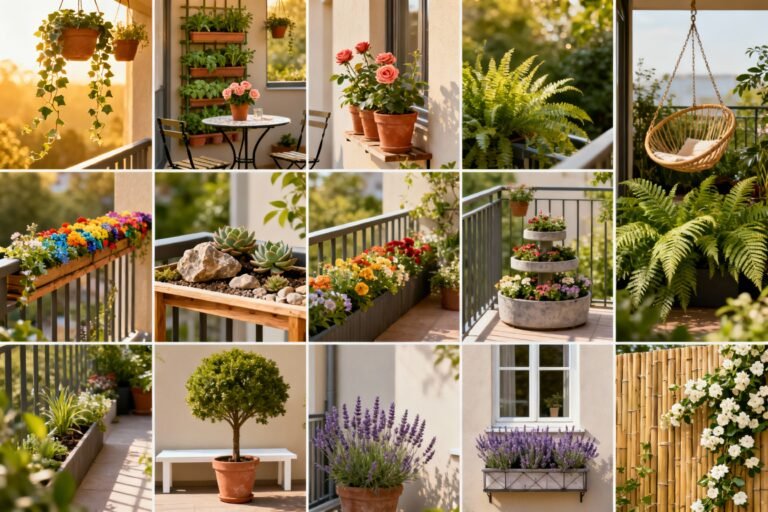
You can start with a single 4×4 raised bed or a few large containers on a balcony. Focus on high-yield plants like cherry tomatoes, peppers, lettuce, and herbs. The best garden is the one you actually maintain, not the fantasy farm in your head.
What’s the easiest way to improve bad soil?
Add compost—consistently.
Top-dress with 1–2 inches each season, mulch, and avoid over-tilling. In heavy clay, build raised beds. In sandy soil, add organic matter and mulch to hold moisture.
How do I know when to water?
Check the top inch of soil with your finger.
If it feels dry, water deeply until it runs out the bottom of containers or soaks several inches into beds. Water in the morning to reduce disease and evaporation.
Do I need fertilizer if I use compost?
Often, yes. Compost improves structure and provides slow nutrients, but high-demand crops like tomatoes and corn still appreciate a balanced organic fertilizer at planting and a midseason boost.
Watch your plants—pale leaves signal they’re hungry.
Why do my tomatoes have lots of leaves but few fruits?
Too much nitrogen can push leafy growth over fruiting. Also, high heat can stall pollination. Prune lightly for airflow, ensure at least 6–8 hours of sun, and avoid overfeeding with high-nitrogen fertilizers.
Can I grow vegetables if my balcony only gets partial sun?
Absolutely.
Grow leafy greens, radishes, peas, cilantro, parsley, and mint. Use reflective surfaces to bounce light and choose light-colored containers to keep roots cool.
Conclusion
A vegetable garden doesn’t demand perfection—just curiosity, a little patience, and the willingness to try again when a squirrel steals your first tomato. Start small, grow what you love, and build good soil.
You’ll eat better, spend more time outside, and, yes, feel slightly smug when your basil explodes. That’s earned. Now go plant something—you’ve got this.