How to Grow White Flowers: Care Tips for Beginners
White flowers don’t whisper. They stun. They light up shady corners, make bouquets look expensive, and turn a basic garden into a moonlit scene—at noon.
Think white feels boring? Give it five minutes. You’ll spot texture, shimmer, and scent you never noticed because color wasn’t hogging the spotlight.
Why White Hits Different
White blooms act like a lighting trick for your eyes.
They reflect light, so they glow in dusk and dawn when other colors fade. That means you get a garden that looks good when you actually have time to enjoy it—after work, before coffee, or while you’re pretending to take the trash out. Bonus: White plays nice with everything. It calms neon pinks.
It elevates soft pastels. It turns messy borders into something that looks intentional, even if you planted by vibes only. And IMO, nothing says “I have my life together” like a white bouquet on the table.
Not Just One White: Shades, Textures, and Forms
We say “white,” but the category is not a monolith.
You’ll find:
- Ivory and cream – warmer whites that feel cozy and romantic.
- Bright white – crisp, modern, and high-contrast against deep greens.
- Green-tipped or blush-toned whites – subtle gradients that read fancy without trying.
Texture matters too. Petals can look buttery, papery, velvety, or translucent. Combine different textures and you get depth without adding color.
Think of it as layering neutrals in your closet—simple, but rich.
Forms That Bring the Drama
- Spikes (delphiniums, foxgloves) for height and rhythm.
- Globes (alliums) for structure and that “designer” feel.
- Clouds (baby’s breath) for softness and volume.
- Stars (jasmine, clematis) for sparkle and movement.
White Flowers You’ll Actually Use (And Love)
Let’s make this practical. Here are classics that pull their weight, indoors and out.
Garden Heroes
- Hydrangea (Hydrangea arborescens ‘Annabelle’): Big, fluffy spheres; thrives in part shade; looks like a cloud bank rolled into your yard.
- Shasta daisy: Cheerful, low-drama perennials; bloom for ages; great for cutting.
- Gardenia: Scent that stops traffic; needs warmth and humidity; a bit diva-ish but worth it.
- White coneflower (Echinacea ‘White Swan’): Drought-tolerant, pollinator magnet, modern look.
- White foxglove: Tall, elegant, and a little gothic in the best way; loves part shade.
- Sweet alyssum: Edging champion; honey-scented; keeps blooming with minimal effort.
- Moonflower (Ipomoea alba): Opens at dusk, big fragrant trumpets; perfect for evening patios.
Cut-Flower Royalty
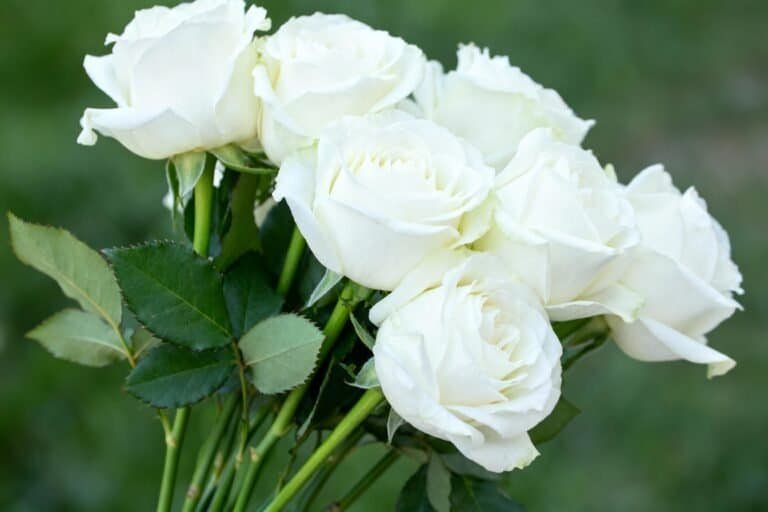
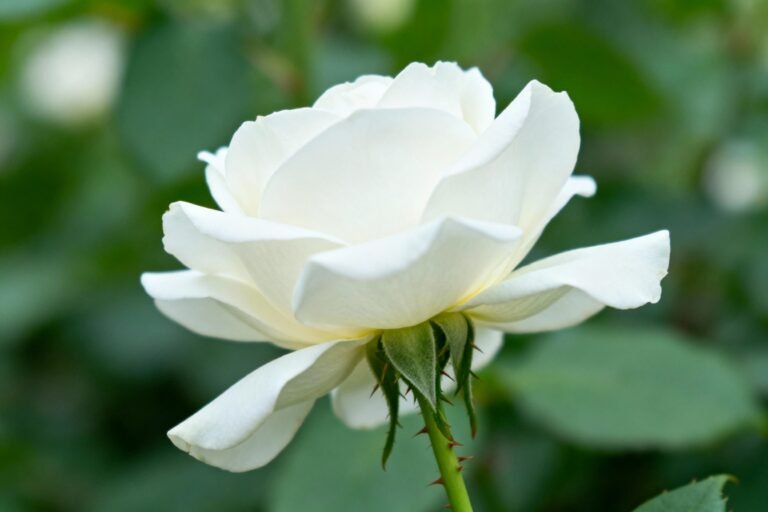
- White roses: Classic and versatile; stick to unscented if allergies lurk at brunch.
- Ranunculus: Layered petals that look airbrushed; long vase life if kept cool.
- Lisianthus: Delicate rose look without the price swing; super long-lasting.
- Stock: Cottagey stems with a spicy-clove scent; instant coziness.
- Peonies: Spring showstoppers; short season, long memories.
Designing a White Garden That Doesn’t Feel Sterile
White can look flat if you treat it like wall primer. Layer thoughtfully.
Mix Tones and Textures
Combine bright white phlox with creamy roses and a greenish hellebore.
Contrast a frilly double peony with a sleek calla lily. It’s like mixing linen, silk, and wool in design—same palette, different vibes.
Use Foliage Like a Stylist
White flowers love good company. Pair them with:
- Silver foliage (lamb’s ear, dusty miller) for a cool moonlit look.
- Deep greens (boxwood, holly) for drama and structure.
- Variegated leaves (hosta, ivy) to echo the white without more blooms.
Create Night Magic
Plant near paths, patios, and windows.
Add low lighting, like solar stakes or string lights. White blooms will grab every lumen and throw it back at you. Free ambiance, basically.
Care Tips: Keep the Glow Going
White flowers show every speck of dirt—like white sneakers.
A little care goes a long way.
Sun and Water Basics
- Sun lovers: Shasta daisies, coneflowers, roses. Aim for 6+ hours of light.
- Shade tolerant: Hydrangeas (not all), hosta flowers, foxgloves.
- Water wisely: Deep, infrequent soaks encourage strong roots. Avoid overhead watering on petals to prevent spotting.
Soil and Feeding
- Soil: Well-draining and rich with compost.White blooms often look crisper with consistent nutrition.
- Fertilizer: Balanced, slow-release in spring. Don’t overfeed or you’ll get leaves instead of flowers.
- Mulch: Keeps soil cool and clean. Dark mulch makes white pop—FYI.
Pest and Disease Watch
- Powdery mildew: Give plants space and morning sun.Use neem oil if needed.
- Aphids and thrips: Blast with water first; follow with insecticidal soap if they’re stubborn.
- Petal browning: Avoid midday watering; pick blooms right as they open for vases.
Arranging White Flowers Without a Degree in Floristry
White bouquets work because they lean on shape, scale, and foliage. Keep it simple, and you’ll look like you know what you’re doing (because you do).
Easy 3-Element Formula
- 1 focal flower: Peonies, roses, hydrangea.
- 1 airy filler: Baby’s breath, astilbe, waxflower.
- 1 greenery: Eucalyptus, ruscus, olive branches.
Cluster stems in odd numbers. Vary heights slightly.
Stop when it looks good. If you’re fussing for 20 minutes, you’ve gone too far—IMO.
Vase and Water Tips
- Clean vase, cold water. Bacteria = sad petals.
- Strip lower leaves. Nothing should sit in the water but stems.
- Change water every other day. Recut stems at an angle for longer life.
Symbolism: What White Says Without Words
White often stands for purity, peace, remembrance, and new beginnings. Great for weddings, graduations, or “I messed up but I brought flowers.” In different cultures, white may also signify mourning or reverence.
Context matters, so read the room—and maybe the invitation.
Occasions That Love White
- Weddings: Timeless and photogenic, especially with green accents.
- Housewarmings: Clean, welcoming, and low-risk for clashing décor.
- Memorials: Quiet, respectful beauty.
- Everyday elegance: One stem in a bud vase can do more than a dozen rainbow roses. Fight me.
Common Mistakes (So You Can Skip Them)
- Planting all the same white: Mix tones and textures to avoid a flat look.
- Ignoring bloom times: Stagger spring, summer, and fall so you’re not stuck with a two-week wonder.
- Forgetting foliage: Green and silver leaves keep things balanced when blooms take a break.
- Overwatering containers: White petunias and calibrachoa sulk if roots stay wet. Drainage holes or bust.
- Skipping deadheading: Spent blooms look extra obvious on white.Snip snip, instant refresh.
FAQ
Do white flowers attract pollinators?
Absolutely. Many night-flying pollinators, like moths, love pale blooms they can find in low light. Add night-fragrant picks—like moonflower or jasmine—and you’ll host a pollinator after-party.
Why do my white petals look brown at the edges?
Likely heat, sun scorch, or water splashing on petals.
Water early at soil level, give a bit of afternoon shade for delicate varieties, and keep fertilizer balanced to avoid stress.
Can I grow a white-only container that doesn’t look bland?
Yes—use the thriller, filler, spiller trick. Example: white dahlia (thriller), white lobelia (filler), and silver dichondra (spiller). Different textures = instant depth.
Do white hydrangeas change color like the blue ones?
Most white hydrangeas stay white regardless of soil pH.
Some age to green or blush pink as blooms mature, which looks chic, not like a mistake.
What white flowers bloom at night?
Moonflower, evening primrose, night-blooming jasmine, and some cereus cacti open after dusk. They’re fragrant and dramatic—perfect for patios and people who stay up too late.
How do I keep white bouquets bright longer?
Use clean tools, strip leaves below the waterline, refresh water often, and keep arrangements away from fruit bowls (ethylene gas speeds aging). A cool room buys you days of extra freshness.
Conclusion
White flowers don’t need color to make a point.
They glow in low light, play well with others, and turn simple spaces into serene, high-impact scenes. Start small—a pot of sweet alyssum, a hydrangea near the porch, a few white stems in a kitchen vase. You’ll get the hype fast, FYI.
And once you do, good luck stopping at “just one more.”