7 Reasons Succulents Are So Popular Among Gardeners And Home Decor Fans
Succulents pulled off the rare feat of being low-effort and high-reward. They thrive on neglect, look like modern art, and turn any shelf into a mini desert dreamscape. You can style them a thousand ways without needing a horticulture degree.
If a plant could wink at you and say “I got this,” it would be a succulent.
They Actually Like Being Ignored
You can forget to water a succulent and it will still smile at you. Their thick leaves store water, so they don’t need constant attention. Overwatering?
That’s their only villain origin story. General rule: water deeply but infrequently. Let the soil dry out completely between waterings. If you’re unsure, wait a week.
Your succulent will forgive you faster than your inbox.
How to tell it’s thirsty
– Wrinkling or slightly soft leaves – Soil pulling away from the pot edges – Leaves that look a bit deflated (not mushy — that’s too much water)
They Look Like Sculptures You Don’t Have to Dust
Succulents come in rosettes, geometric stacks, fuzzy paddles, and alien tentacles. They bring instant texture and structure to a room. You can go sleek and minimalist or full-on maximalist rainbow. Fan favorites for style points:
- Echeveria: symmetrical rosettes that look like flowers
- Haworthia: zebra stripes and clean lines, perfect for desks
- String of Pearls: dramatic trailing vines for shelves
- Kalanchoe tomentosa (Panda Plant): soft, fuzzy leaves
- Aloe and Agave: bold, architectural shapes
Color palettes that pop
– Soft pastels: lavender, mint, and blush (think Graptopetalum and Pachyphytum) – Moody tones: deep greens, burgundy edges, and near-black aeoniums – Glowy edges: many succulents blush pink or red in bright light (stress coloring, but the good kind)
They Play Nicely With Small Spaces
Don’t have a yard?
No problem. Succulents thrive in windowsills, office corners, and tiny balconies. You can build a micro-garden in a shallow dish, a wall planter, or a thrifted teacup.
Cute, yes. Overwater in a teacup, also yes — so add drainage, FYI. Quick space-saving ideas:
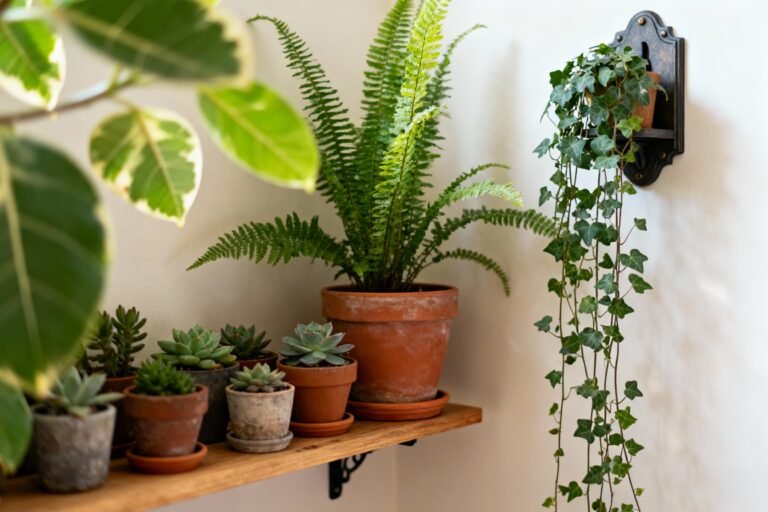
- Mini collections in 2–4 inch pots for shelves
- Wall-mounted planters for trailing varieties
- Long, shallow troughs to display multiple rosettes
- Terracotta saucers lined with gritty soil for a low-profile centerpiece
They’re Beginner-Friendly (and Budget-Friendly)
You can start with one plant and end with ten because they propagate easily. Many succulents grow new plants from a single leaf or a small cutting.
It feels like a magic trick you can do on a Sunday afternoon. Propagation basics (IMO the best party trick):
- Gently twist off a healthy leaf or snip a stem.
- Let it dry for 1–3 days until the cut end calluses.
- Set it on gritty, well-draining soil. Do not bury it.
- Mist lightly every few days until roots and pups form.
- Pot up once it grows new leaves and looks stable.
Soil and potting, without the drama
– Use a succulent/cactus mix or DIY: 2 parts potting soil, 1 part coarse sand, 1 part perlite/pumice – Pick pots with drainage holes (non-negotiable) – Terracotta dries faster and helps prevent overwatering
They Thrive Indoors But Love Sun Like a Vacation
Succulents don’t need full-on desert conditions indoors, but they do want bright light. A sunny windowsill makes them happiest, especially south or west-facing.
Not enough light? They stretch and look leggy, which screams “help.” Light cheat sheet:
- Bright, indirect light: Haworthia, Gasteria, Jade (Crassula) do great
- Direct sun lovers: Echeveria, Sedum, Graptopetalum, Agave
- Grow lights: Full-spectrum LEDs 6–12 inches above plants for 10–12 hours/day
Sun-stress = color boost
Give certain varieties more sun and they blush with reds, purples, or oranges. Increase exposure gradually to avoid sunburn.
Yes, plant sunburn exists and it looks like bleached patches — no aloe vera jokes, please.
They Fit Every Vibe: Rustic, Modern, Boho, You Name It
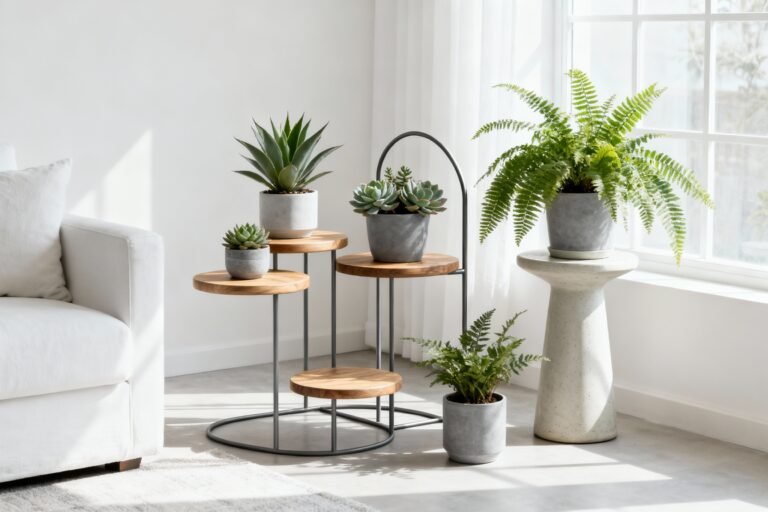
Succulents act like chameleons for decor. Drop them in matte black concrete for modern minimal, or pair them with macrame and rattan for boho chic. They anchor arrangements without stealing all the attention (unless you want them to). Design combos that always work:
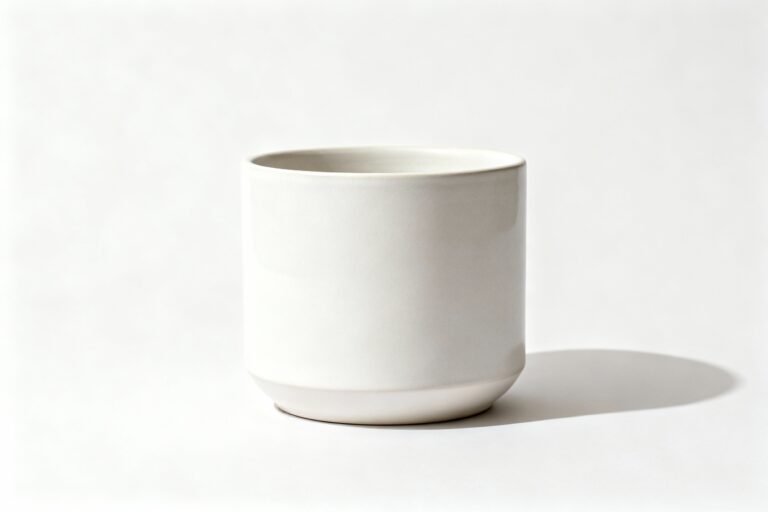
- Neutral rosettes + white ceramic + river stones
- Trailing strings + hanging brass planters
- Bold aloe + oversized terracotta for entryways
- Mini cluster of mismatched pots for a collected feel
They’re Low-Maintenance but Still Feel Special
You get the satisfaction of “plant parent” without rearranging your schedule.
A monthly watering schedule and the occasional rotation for even growth usually does it. You can learn more if you want, but you don’t have to. The bar for success sits delightfully low. Care in 60 seconds:
- Water: every 2–4 weeks, more in summer, less in winter
- Light: as bright as you can give
- Soil: fast-draining
- Pot: drainage holes, always
- Rotate: a quarter turn weekly to prevent stretching
Common mistakes (and easy fixes)
– Overwatering: leaves turn mushy, plant collapses.
Fix by removing soggy parts and repotting in dry, gritty soil. – No drainage: roots suffocate. Fix by drilling holes or repotting. – Low light: stretched, pale growth. Fix with a brighter spot or grow light.
FAQ
Can I keep succulents in a bathroom?
You can, but only if it gets strong natural light.
Most bathrooms stay humid and dim, which succulents dislike. If you love the look, pick a bright, ventilated bathroom or rotate plants in for a “visit” and then back to a sunny window.
Why are the leaves dropping off my succulent?
Leaves fall for two main reasons: overwatering or shock. If leaves feel squishy, you watered too often.
If they’re dry and crispy, check for underwatering or sudden cold drafts. Adjust watering and move to stable, bright conditions.
Do succulents clean the air?
All plants contribute a little, but succulents won’t replace your air purifier. They shine more as mood-lifters and decor heroes than as air-filtering workhorses.
FYI, snake plants and pothos usually rank higher for air-cleaning.
What’s the best fertilizer for succulents?
Use a balanced, diluted liquid fertilizer (around 1/4 strength) during spring and summer. Feed monthly at most. Skip winter feeds when growth slows.
Too much fertilizer leads to weak, leggy growth — not the vibe.
Can I plant different succulents together?
Yes, and it looks amazing. Choose varieties with similar light and water needs, and pack them in well-draining soil. Give taller or faster growers some space so they don’t shade or crowd the smaller cuties.
How do I stop pests like mealybugs?
Quarantine new plants for a week, then inspect regularly.
If you spot cottony clusters, dab with isopropyl alcohol on a cotton swab and repeat weekly. Improve airflow, avoid overwatering, and keep leaves dry to discourage repeat offenders.
Conclusion
Succulents deliver that rare combo of low effort and high style. They forgive your busy schedule, they glow under good light, and they turn any corner into a tiny art exhibit.
Start with one, learn its quirks, and before you know it you’ll have a cheerful little army. IMO, that’s plant parenthood done right.