Wooden Plant Stands: Stylish Ways to Display Your Indoor Plants
Your plants deserve a better stage than your windowsill. Enter wooden plant stands: the easy upgrade that makes your greenery look intentional, not like a random jungle. They lift, layer, and style your plant crew while saving floor space.
And yes, they make even your stubborn pothos look like it’s thriving (fake it till you make it).
Why Wooden Plant Stands Just Work
Wood adds warmth. It softens hard edges and makes any room feel more lived-in. That’s why wooden stands instantly blend with nearly any decor: minimal, boho, mid-century, cottagecore, you name it.
They also fix the most common plant problem: height. Plants at different levels look better, catch more light, and feel more curated.
Plus, stands protect floors from water drips and give your pots room to breathe. Not bad for a small piece of furniture, right?
Types of Wooden Plant Stands (And When to Use Each)
Not all stands suit every plant or home. Pick the style that matches your space, light, and plant collection size.
IMO, mixing types looks best.
- Mid-century tripod stands: Clean lines, adjustable heights, and timeless vibes. Great for statement plants like fiddle leaf figs or rubber trees.
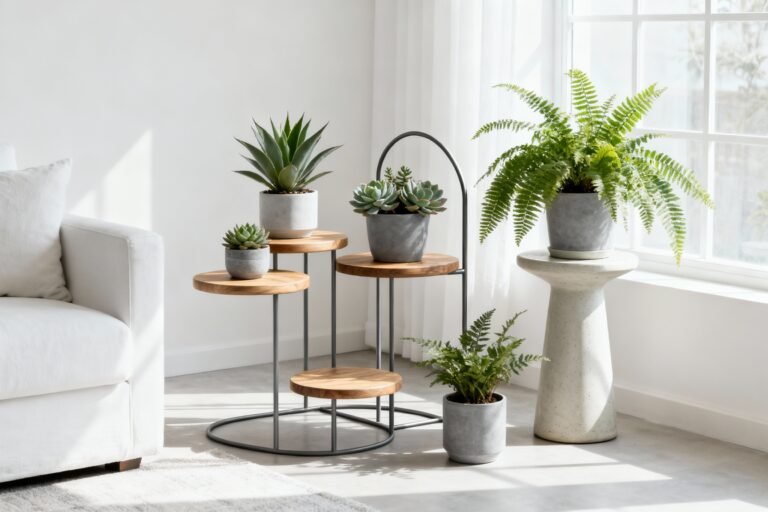
- Nesting stands: Sets of two or three you can spread out. Perfect for corners and easy styling wins.
- Tiered shelves: A vertical garden in one piece.
Ideal for small spaces and serial plant adopters.
- Stool-style stands: Low, sturdy, and unfussy. Use for medium plants or as a base to stack decor.
- Wall-mounted ladders: Great for trailing plants and awkward, unused walls.
- Plant caddies with wheels: Technically stands with a bonus: you can chase the sun without hauling heavy pots.
Material Matters: Solid Wood vs. Engineered
- Solid wood: Durable, repairable, ages beautifully.
Slightly pricier, heavier, worth it if you want longevity.
- Engineered wood (MDF/ply): Budget-friendly and stable, but protect it from water. Look for a sealed finish.
- Bamboo: Sustainable, strong, and resists swelling. Light color means it plays nicely with most interiors.
Choosing the Right Stand for Your Plants
Before you click “add to cart,” measure your pot and check the weight. Match the stand to the pot’s diameter and make sure it can handle the load without wobbling.
Overkill beats a toppled monstera any day.
Think about light, too. Taller stands bring shade-lovers under the beam and raise sun-lovers closer to windows. FYI, avoid placing plants directly against hot glass unless you want crispy leaves.
Fit and Stability Checklist
- Stand base wider than the pot?
Good. Narrower? Hard pass.
- Rubber feet for grip: prevents sliding and protects floors.
- Cross-bracing or thick legs: less wobble, more peace of mind.
- Check for an inset lip or support ring: keeps round pots centered.
Styling Tips That Don’t Try Too Hard
You don’t need a design degree to make plant stands look good.
Use height and texture to create balance. Start with your tallest plant and work down to smaller, bushier ones.
- Rule of three: Group stands in threes with varied heights for instant visual flow.
- Mix woods, but keep tones consistent: All warm or all cool tones. No chaotic lumberyard vibes.
- Contrast your pot: Dark wood + white pot = chef’s kiss.
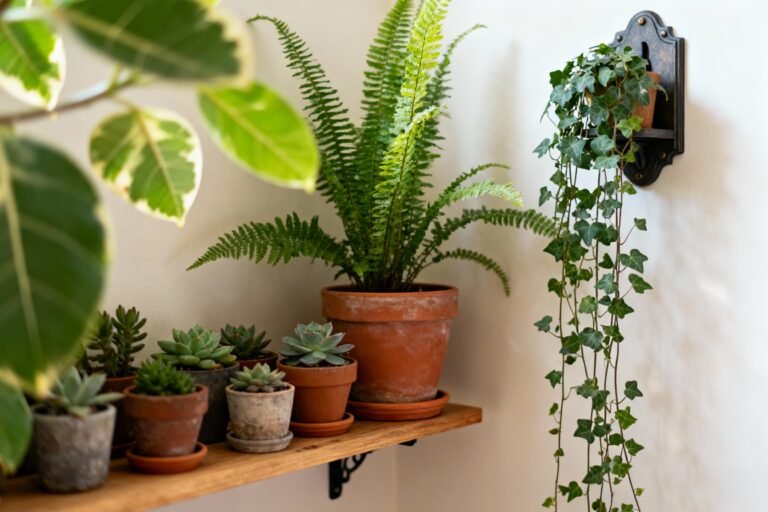
Light wood + terracotta = warm and earthy.
- Add movement: Trailing plants on taller stands soften corners and frame windows.
Where to Place Them (Beyond the Window)
- Empty corners that feel awkward: instant cozy zone.
- Entryways: low stand + hardy plant = welcoming without fuss.
- Bathroom (with a window): humidity lovers thrive here.
- Under a wall mirror: reflects greenery and doubles the lushness.
Maintenance: Keep the Wood Happy
Wood and water tolerate each other—barely. Protect your stands and they’ll last for years. Skip the heartbreak of warped legs and water rings.
- Use saucers or trays: Always.
Even for “careful” waterers. We all spill.
- Seal exposed wood: A wipe-on polyurethane or plant-safe hardwax oil adds protection.
- Felt or rubber feet: Stop moisture wicking from floors and prevent scratches.
- Wipe soil and water immediately: Stains set fast, especially on light woods.
Best Woods for Plant Stands
- Teak and acacia: Naturally water-resistant, dense, and durable. Great for bathrooms or covered patios.
- Oak and ash: Strong with visible grain.
Seal them for indoor use.
- Walnut: Dark, elegant, and pricey. Worth it for statement pieces.
- Pine: Budget-friendly and soft. Seal well and handle gently.
DIY or Buy?
Let’s Be Honest
If you’re handy, a basic stand is a satisfying weekend project. If you’re not, you’ll still end up with a charming wobbly stool, which is… a look. IMO, buy if you want precision and sturdiness; DIY if you want custom heights and wood types.
Simple DIY Essentials
- Hardwood dowels or square legs, a round top or cross supports
- Pocket-hole jig or strong wood glue and screws
- Sandpaper (120 to 220 grit), finish of choice, and felt pads
- Rubber bumpers or an inset ring to keep pots centered
Pro tip: Pre-finish parts before assembly to protect all faces from moisture.
Your future self will thank you.
Common Mistakes to Avoid
- Too-small stand under a heavy pot: Nothing says chaos like a top-heavy plant teetering near your glass coffee table.
- Unsealed wood in wet areas: Swelling, stains, and regret.
- No saucer: Water rings are forever. Don’t do it.
- All stands the same height: Flat and boring. Mix it up.
- Blocking vents or radiators: Hot, dry air = crispy leaves and cranky wood.
FAQ
Do wooden plant stands work outdoors?
Yes, with the right wood and finish.
Choose teak, acacia, or treated cedar, and seal all surfaces. Keep them under cover if possible. Outdoors will age the wood faster, but some patina looks great.
How do I clean my wooden stand?
Dust weekly and wipe with a slightly damp cloth.
For smudges, use a mild wood cleaner. Avoid soaking and always dry immediately. A quarterly polish or oil keeps the finish fresh.
What size stand should I buy for a 10-inch pot?
Pick a stand with a top or support ring that’s 10–12 inches wide.
You want a snug fit without overhang. Also check the stand’s height so the plant sits where it gets the light it needs.
Can I put a heavy ceramic pot on a tall stand?
Yes, if the stand has a wide base and sturdy legs. Look for cross-bracing and a weight rating.
When in doubt, go shorter or use a stand with a broader footprint to avoid wobbles.
What finish resists water best?
For maximum protection, use polyurethane or a marine-grade varnish. If you prefer a more natural feel, a hardwax oil offers decent water resistance with a softer sheen. Reapply finishes yearly in high-moisture areas.
Are bamboo stands durable?
Absolutely.
Bamboo resists swelling, stays strong, and looks clean and modern. Just make sure it’s sealed, and use saucers like you would with any wood stand.
Conclusion
Wooden plant stands add height, warmth, and instant style without trying too hard. They help your plants thrive, protect your floors, and pull a room together in minutes.
Choose the right wood, size smart, and keep water where it belongs. Do that, and your leafy friends will look like they hired a designer—on a houseplant budget, FYI.