Yard Landscaping Guide: Designs That Boost Curb Appeal Fast
Your yard doesn’t need to look like a magazine cover to feel amazing. It just needs a plan, a bit of personality, and plants that won’t revolt the first hot weekend. Yard landscaping should feel fun, not like a second job you never applied for.
Ready to turn that patch of earth into your favorite hangout?
Start with a Vision (Not a Shopping Cart)
Before you buy the entire garden center, sketch a rough plan. Where do you sit? Where do you walk?
Where do you want color or shade? You don’t need pro tools—paper, a pencil, and a tape measure work. Think in zones:
- Hangout zone: patio, deck, fire pit
- Green zone: lawn or groundcover
- Show-off zone: garden beds and focal points
- Utility zone: bins, storage, compost
If your yard slopes or puddles, note it now. You’ll thank yourself later when you don’t have a water feature you didn’t order.
Pick a Style You’ll Actually Maintain
You might love English cottage chaos, but do you love pruning?
IMO, match style to effort:
- Low-maintenance modern: clean lines, gravel, grasses, evergreen structure
- Cottage-lite: layered perennials, a few shrubs, color waves
- Native/wildlife-friendly: local plants, less water, more birds and butterflies
Design the Bones: Shape, Structure, Flow
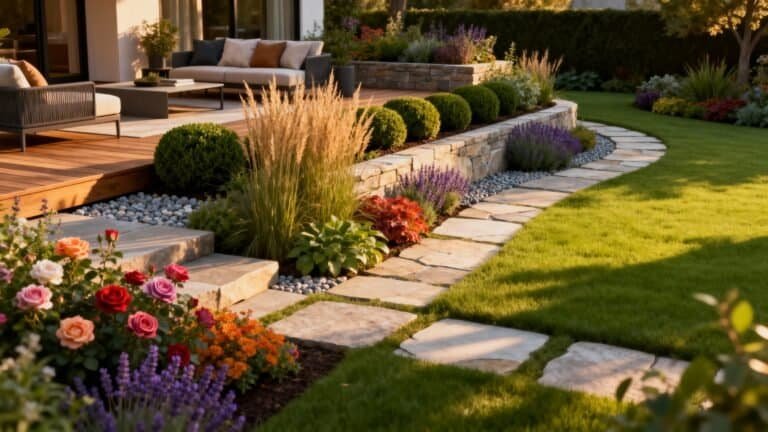
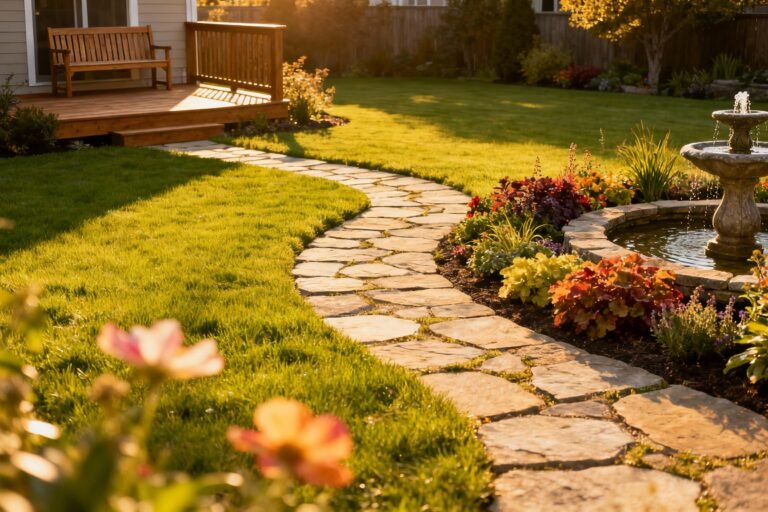
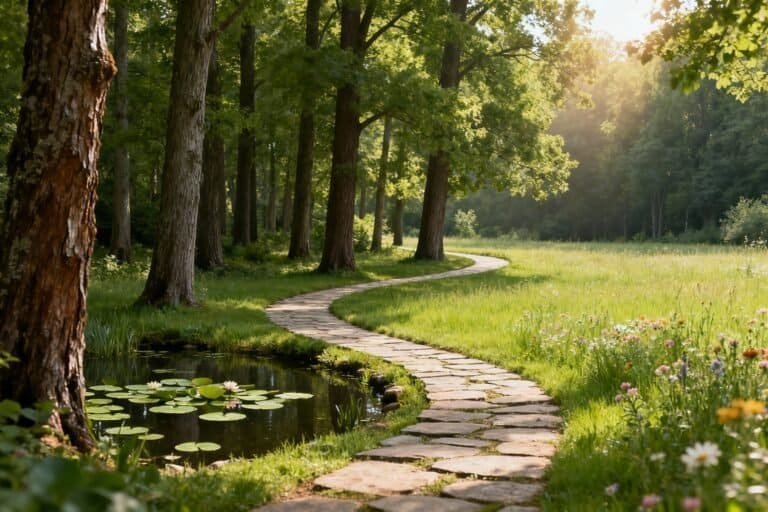
Plants come and go; structure stays. Create shape with paths, edging, raised beds, and trees. Use curves if your house has soft lines.
Use straight lines if you like order and a minimalist vibe. Path materials that work:
- Decomposed granite: affordable, tidy, drains well
- Stepping stones in gravel: easy DIY, looks custom
- Pavers: durable and clean, great for patios
Plant beds should connect spaces and guide movement. Tie the design together with repeated elements (same shrub, same stone) so it feels intentional, not like a botanical yard sale.
Focal Points That Earn Their Keep
Add one or two “stop-and-stare” features:
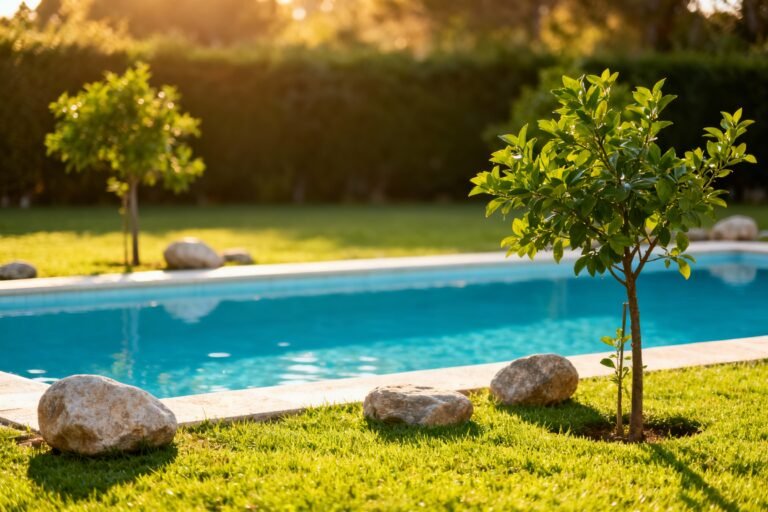
- Small tree with interesting bark or spring blooms
- Water bowl or birdbath for sound and wildlife
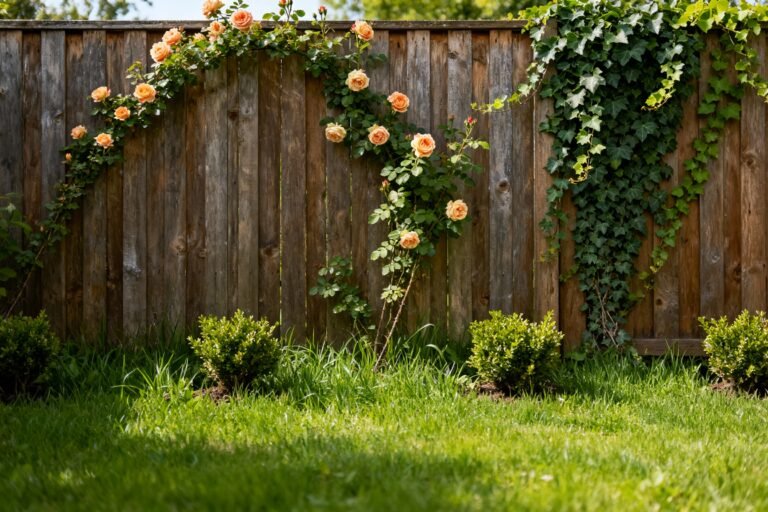
- Arbor with a climber (hello, jasmine)
Keep it simple. Too many focal points = visual noise.
Plant Smarter, Not Harder
Plants fail when they fight the site.
Match plant to sun, soil, and water. Read tags. FYI: full sun means at least six hours.
Your plant doesn’t care about your optimism. Build a resilient plant palette:
- Evergreens: year-round structure (boxwood, holly, dwarf conifers)
- Flowering shrubs: seasonal punch (hydrangea, spirea, abelia)
- Perennials: color waves (salvia, coneflower, daylily)
- Grasses: movement and texture (feather reed grass, fountain grass)
- Groundcovers: less mulch, fewer weeds (creeping thyme, liriope)
Layer Like a Pro
Think backstage to front stage:
- Tall shrubs/trees in back for privacy and backdrop
- Medium shrubs or tall perennials in the middle
- Low perennials and groundcovers up front
Repeat groups of 3–5 for rhythm. Scatter plants randomly, and your yard looks fussy. Group them, and it looks designed.
IMO, repetition is the secret sauce.
Soil, Mulch, and Water: The Boring Stuff That Wins
You can’t out-plant bad soil. Add compost to beds before you plant. Aim for soil that crumbles, not clumps.
If you’re on clay, raise beds a few inches to improve drainage. Mulch matters:
- Organic mulch (shredded bark, chips) keeps roots cool and feeds the soil
- 2–3 inches deep, not volcanoes around trunks (trees can’t breathe under those)
Water wisely:
- Soak deeply 1–2 times a week instead of daily sips
- Drip lines or soaker hoses beat spray heads for beds
- Use a smart timer; your future self is busy
Lawn: Keep It or Shrink It?
If you use your lawn, keep it tight and healthy. If it’s just there because the builder put it there, shrink it. Replace edges with planting beds or groundcovers.
Less mowing, more chill.
Hardscaping That Doesn’t Break You (or the Bank)
You don’t need a full outdoor kitchen to host friends. Start with a solid patio and decent seating. Add a fire pit for instant cozy factor.
Lighting? Yes, please. Budget-friendly upgrades:
- String lights on posts or trees for ambiance
- Solar path lights for safety
- Gravel seating area with pavers as a base for furniture
Pick materials you can maintain. Smooth pavers stay tidier than rough stone.
Gravel drains well and adapts to weird yard shapes without drama.
Privacy Without Building a Fortress
Strategic screens beat tall fences. Layer small trees, tall grasses, and trellises where you need coverage most—usually near seating or bedroom windows. Mix evergreen with deciduous so you keep coverage year-round.
Seasonal Interest: Make It Good All Year
Design for a highlight in every season.
Spring blooms wake up the yard. Summer color keeps it lively. Fall texture and foliage tones shift the palette.
Winter structure saves the view when everything else naps. Cheat sheet:
- Spring: bulbs (tulips, daffodils), lilac, serviceberry
- Summer: coneflower, salvia, roses (disease-resistant varieties)
- Fall: asters, sedum, ornamental grasses, maples
- Winter: hollies, red-twig dogwood, hellebores, evergreens
Plant a small tree with personality. Japanese maple, paperbark maple, or crape myrtle can anchor the whole yard.
Maintenance: Keep It Easy, Keep It Consistent
A little love often beats a big rescue later. Build a simple routine:
- Weekly: quick weed pull, check irrigation, 10-minute tidy
- Seasonal: prune at the right time, top up mulch, edit plants that overperform
- Annual: divide perennials, refresh gravel, sharpen tools
Don’t baby plants forever.
Water new ones for the first season, then wean them. Choose tough plants and let them prove it.
Common Mistakes to Dodge
- Planting too close to the house or each other
- Ignoring sun and water needs (plant tags are not lies)
- Buying one of everything—no cohesion
- Skipping mulch and wondering why weeds throw a party
FAQ
How do I choose plants that won’t die on me?
Match the plant to your site conditions first: sun hours, soil type, and water availability. Then look for disease-resistant, drought-tolerant varieties.
Start with 5–7 “bulletproof” plants, repeat them, and add seasonal accents later. IMO, local native plants give you the best survival odds.
What’s the easiest way to improve curb appeal fast?
Edge your beds cleanly, mulch them, and add 3–5 larger plants rather than a dozen small ones. Flank the entry with matching containers and pop in seasonal color.
Finish with path lighting and a fresh door mat. Boom—instant upgrade.
How big should planting beds be?
Bigger than you think. Beds that are too narrow look skimpy and create maintenance headaches.
Aim for 4–6 feet deep along the front of the house so you can layer shrubs and perennials properly. Curves should be broad, not wiggly.
Is a drip irrigation system worth it?
Yes. Drip delivers water right to the roots, reduces evaporation, and saves you from the summer hose workout.
Pair it with a smart timer and moisture sensor, and you’ll water less and grow more. FYI: it also keeps foliage dry, which helps prevent disease.
Can I landscape on a tight budget?
Absolutely. Do it in phases.
Invest in structure first: paths, beds, a small patio. Buy fewer, larger plants and space them correctly—they’ll fill in. Use gravel, recycled materials, and cuttings from friends to stretch dollars without sacrificing style.
Do I need to remove all my lawn for a pollinator garden?
Nope.
Convert a portion—like a side strip or a front corner—into a native plant bed. Add nectar sources, host plants, and water. Even small patches act like a wildlife pit stop.
You’ll see bees and butterflies within weeks.
Conclusion
You don’t need a massive budget or a landscape degree to build a yard you love. Start with a vision, set the bones, then plant for your climate and your lifestyle. Keep it simple, repeat what works, and edit what doesn’t.
Your yard should invite you outside, not guilt-trip you from the window.